26th March 2026
This Women’s History Month, Claire Sanford, Director of Conflict and Humanitarian at Save the Children UK, shares a powerful reflection drawing on 26 years working on the frontlines of some of the world’s most difficult humanitarian crises – and the women and girls whose stories have never left her.
Over the past 26 years working in humanitarian contexts, many moments blur into one another, whether that’s checking into a tin hut airport on a dirt runway, cautiously going through checkpoints, displacement and refugee camps, conversations, hand gestures and facial expressions held in fragments of shared language.
The backdrop has often been uncertain and chaotic at times, conflict, disaster, displacement. Yet within that uncertainty, there is a striking clarity that emerges not from systems or strategies, but from people particularly the women and girls at the centre of these experiences.
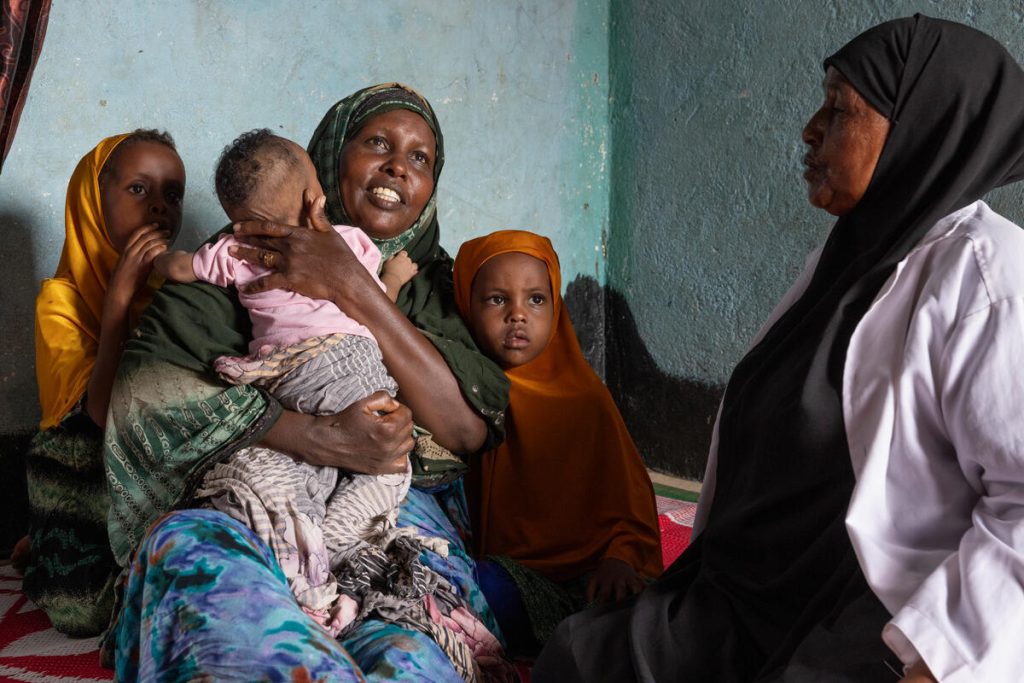
Throughout my time in the humanitarian field, I have worked across several countries, and I can vividly remember the names of the women and children I have spoken with.
Their names are often etched in my mind alongside the stories they have shared of what they have endured, what they have fought to overcome, and what matters to them most. What stands out, time and again, is not only their resilience, their courage, their strength and their unwavering determination, but also the conditions and inequalities that have demanded so much of them.
Last year I met a 14-year-old girl in a dusty camp on the border of Sudan. She spoke of her fear that she may never achieve her dream of becoming a public health worker. Conflict had denied her the right to learn, something which she loved, was passionate about, and that would allow her, as she said, to “help rebuild her country.” Even in uncertainty, her ambition remained clear, despite the barriers placed in her way which denied her this choice and opportunity.
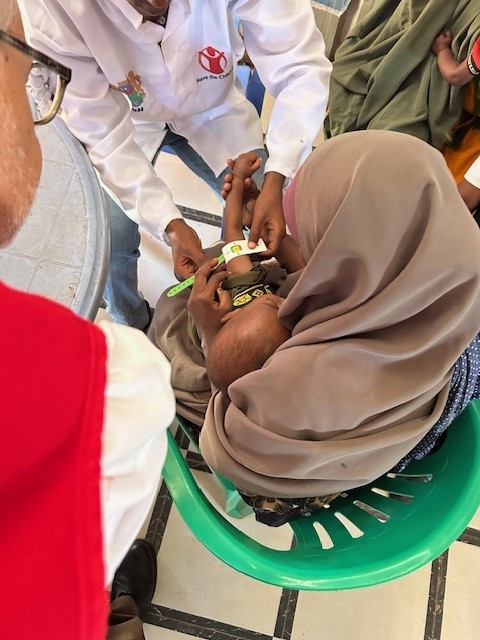
I think of the Somali mother I met in a nutrition stabilisation centre in Baidoa, her body exhausted, holding her two children—a severely malnourished two-year-old daughter barely responsive, and her four-month-old son. She had walked more than 60 miles in searing heat to reach a displacement camp, driven by the hope of finding medical treatment and food. Her journey speaks not only to her determination, but to the absence of accessible support that should have been there for her from the start and prevented the illness of her young daughter.
I think of the mother in Aleppo who shared her sense of guilt with me. She had returned to Syria in December 2024, leaving behind safety in Türkiye with hope for rebuilding her life at home. Instead, she found harsher realities, no electricity or heating, soaring food prices that meant surviving on little more than bread and water, and an overwhelming fear of how she would access medical care for her children if they needed it. Her story was one of love, sacrifice, and impossible choices, shaped by circumstances far beyond her control and her desire to return to her home country.
I think of the injured children in Syria, and in so many other conflict-affected places, who have shared their dreams: to walk again, to play football or cricket, to dance, dreams they should never have had to imagine after the remnants of conflict have taken so much from them. Their desire to reclaim their childhoods remains powerful, highlighting both their determination and what has been unjustly taken. It is a stark reminder that children must be placed at the centre of how wars are fought, regulated, and responded to so that weapons no longer define the shape of childhood.
Life for women and girls in many contexts is harder than many can imagine, shaped by structural inequalities that limit safety, opportunity, and choice.
Over the decades, and across continents, women and girls have fought inequality in all its forms. The stories I have heard and the sights I have seen are often those where inequality is at its most extreme. While some countries have made progress, many have not. But what I have come to believe is that while experiences differ widely, there are shared patterns that connect many women and girls a thread of courage, resilience, and collective determination to support one another and to keep going despite the odds.
This spirit is not new. It is the very foundation on which organisations like Save the Children were built. After the First World War, when children across Europe were left starving and malnourished, sisters Eglantyne Jebb and Dorothy Buxton were among those who refused to look away. As part of the Fight the Famine movement, they raised awareness of the suffering and demanded action, alongside others calling for change at the time. At a time when many remained silent, they chose to act—driven by compassion, courage, and a belief in a better future.
That same ethos underpins the work we do today. It is carried forward in every influencing approach, every programme, every response, every decision. And it is continually shaped and strengthened by the leadership, insight, and experiences of the women and girls we meet.
Working in the UK, it is these stories that stay with me. They bring clarity amidst complexity and uncertainty. They sharpen our focus and fuel our determination as teams to do what we can, however challenging the context may be and to defy the barriers.
They remind us that behind every decision, every policy, every intervention, every statistic, there are real lives full of hope, ambition, and dignity, and that our responsibility is to ensure those realities shape what we do.
The International Women’s Day 2026 theme Give to Gain is not just an idea but rather it is something I have seen lived out repeatedly. Women and girls, often with the least, continue to lead, adapt, and persevere in the face of significant barriers. Their insight, strength, and lived experience must shape how we act.
During conflict and disaster, these stories reveal the essence of humanity. They remind us of what truly matters: safety, dignity, opportunity and the ability to shape one’s own future.
They show us that even in the most difficult circumstances, the human spirit endures, whilst also underscoring the urgency of addressing the inequalities that make such endurance necessary.
These stories are not only reflections of hardship. They are a call to action. They are reminders that a just and equal future for every woman and girl is not only necessary, but possible if we continue to listen, to act, and to stand alongside them.
About the author
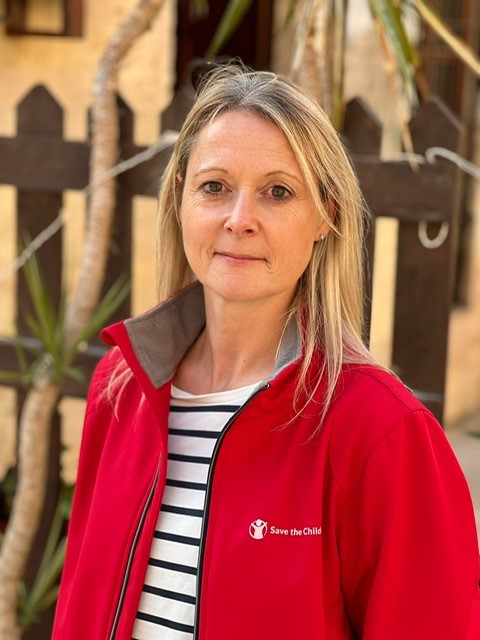
Claire Sanford is a dedicated humanitarian leader with more than 26 years of experience championing the rights, safety, and dignity of children and vulnerable groups in complex crisis settings. From her early work in mine action across South Asia and the Middle East to leading global emergency responses with Save the Children, Claire has worked alongside local teams and partners in contexts affected by conflict and disaster including Afghanistan, Bangladesh, Pakistan, Somalia, and Indonesia guided by a commitment to upholding children’s rights and supporting community-led efforts to ensure their safety and dignity.
Now serving as Director of Conflict and Humanitarian at Save the Children UK, she leads a dynamic team working in partnership with colleagues, partners and communities to influence policy, advocacy, and humanitarian response for children affected by conflict. Her leadership extends beyond her role through trustee positions and strategic partnerships that strengthen accountable, locally informed, and ethical humanitarian action. A committed advocate on crises such as those in Somalia, Sudan, South Sudan and Syria, Claire works to ensure that the perspectives of affected communities are reflected in global decision-making and calls for stronger, more equitable international action.