8th October 2026
 Mazen Alhousseiny
 Emily Marr
 David Peters
 Fay Loosley
 James Maltby
Thanks to everyone who joined us for our digital humanitarian learning webinar on 8 October with panellists from Start Network, HelpAge International, and Governance and Integrity International.
We were delighted to welcome 125 live session attendees from 56 different countries. You can watch the recording and view the slide deck. We’d love to hear your feedback and suggestions for future sessions – email us on info@humanitarian.academy
Session transcript
This transcript has been generated using automated tools and has been lightly edited for clarity and readability. The transcript has been reviewed but minor errors or omissions may remain.
Fay: A very big welcome to everybody joining us today. Today’s webinar is called From Innovation to Impact, How Will Digital Humanitarian Learning Evolve? This webinar is brought to you by the Humanitarian Leadership Academy, the HLA. And we’re joined by our partners and friends at Start Network, HelpAge International, and Governance and Integrity International.
My name is Fay Loosley, and I am very delighted to welcome you all to today’s session. Thank you so much for taking the time to be with us today. As you’re joining, please feel free to introduce yourselves in the chat. We’d love to get to know who you are, so tell us your name and where you’re joining us from. It’d be great to hear that. We’re delighted we’ve had more than 200 people register for today’s webinar, from more than 60 countries, so all across the ecosystem, so really great to see such a global network coming together today. And thank you again for taking the time to join us.
So, today’s session’s format, the time for this webinar will be about 90 minutes, and that will include welcome and introductions, a brief housekeeping, we’ll follow that with a quick audience poll. And then we’ll do some scene setting from the HLA as to why we are having this discussion on the evolving nature of humanitarian digital learning. And then we’ll invite our expert panelists To present And, we’ll then finish up with an audience Q&A, where you will have the chance to put your questions to the panel.
As I say, it’s great to see you all, sharing where you, where you are from around the world and your names, so thank you so much for introducing yourselves. If you haven’t done so already, please, please do pop, your name in the chat. It would be lovely, to meet you virtually.
So, very delighted to be joined by a brilliant group of expert panellists today, who are ready to share their insights and perspectives with you all. So, a very big welcome to Mazen Alhousseiny from HelpAge International, Emily Marr from Governance and Integrity International. David Peters from Start Network Crisis Financing Programs. And my lovely colleague and co-host, James Maltby from the HLA. So I’d like to invite all of our speakers to give a very quick introduction to themselves, and share one thing, that’s of interest, to them in today’s conversation. So I’ll hand over to Mazen, to start with the intros.
Mazen: Hi everyone, this is Mazen. I’m the capacity strengthening advisor at Help Age International. Would love really to share some of the thoughts and experiments that we have been doing at Help Age related to digital learning so that we could learn from each other.
Emily: Hi, everyone. Emily Marr I’m working for governance and integrity. We are, in short, working on integrity and justice of organisations all around the world. Today, I’m really interested to hear from my fellow panelists and also from the audience. My particular interest is in how we can embrace digital learning to enhance the work that we are already doing.
David: Hi, everyone. I’m David Peters, I’m the Training and Capacity Strengthening Advisor in Start Network. I focus a lot on our crisis financing programmes. Start fun, start ready, and anticipate your action. I think I’m really interested to discuss and explore where digital learning is valuable. Where it has a place going forward, as funding and decreases in the humanitarian sector. But also maybe where it isn’t so useful, and maybe where we need to be exploring other, other areas. Thanks.
James: It’s lovely to meet everyone virtually. My name is James Maltby. I’m Head of Global Engagement Platforms and Communications at the Humanitarian Leadership Academy, but I’ve got a particular interest in digital learning and inclusive educational technology. So I’m really, really excited to hear from our three speakers here today. My role towards the end of this session is going to be deleting the Q&A. So the other thing I’m very excited about is getting a real diverse range of questions to present to panel. So I look forward to talking to the group a bit later.
Fay: And then to round off the intros, I’m Fay, and I’m the Sales and Accounts Lead here at the Humanitarian Leadership Academy. And for those of you that might not know, the HLA is part of Save the Children UK.
And we are also the proud creators and hosts of the humanitarian digital learning platform Kaya, which some of you may be familiar with.
Okay, so before we dive in, some brief housekeeping notes. This session is being recorded, so for those of you that would like the link and the slide deck afterwards, we will be emailing that out to all the attendees after the session today. Zoom captions are also enabled, including translations, so for anybody that would like to use those, please do utilise those tools that we have available.
We really encourage the use of the chat to share your comments and reflections, so thank you so much to everybody who has been contributing so far, keep that coming. We do have a separate Q&A function for questions. We may miss them if they get put in the chat, so please do use the Q&A function for any questions that you would like to ask to the panel, at the end. A kind reminder is to keep questions and comments respectful and on topic. And we will be sharing an email next week about HPass badges for anyone that would like those.
Okay, so I think we’re gonna crack on with a quick audience poll. We’ve got two questions. So the first one, I believe, should be popping up on the screen. Brilliant. So hopefully everybody can see this, and the question is, how often do you undertake humanitarian digital learning. So, for example, on our platform Kaya, or through webinars, such as today.
I’ll get the answers. Wow, okay, so nearly 50% say a few times a year. I think that’s pretty good going, on top of everyday life and work. So yeah, great, great, number of people, undertaking digital humanitarian learning. And I think we’ll have one last question. So, what is your preferred mode of digital learning? So, would that be self-paced e-learning, such as through Kaya courses, live webinars or virtual sessions? A blend of, things like digital or other formats. peer learning or communities of practice, online, or any other, types of digital learning that you can think of. So if you select other, please do type that in the chat, because we’d love to hear them. We’ve got close to tie between live webinars, virtual sessions. And a blended mix, so that’s really nice. I do quite like a blended mix as well. It’s definitely nice to mix up how we learn and absorb information. So thank you to everybody who participated in the poll today, and I do believe we may have another couple of polls later on as well.
Fabulous. So for those of you who aren’t familiar with the HLA, our purpose as a department within Save the Children UK is to strengthen humanitarian capability and help accelerate locally led action. And a key part of that work is Kaya, which is our global digital learning platform, and that helps learners and organisations access and deliver learning across different devices, languages, and contexts, including low bandwidth environments.
Alongside the platform, our learning design team works with partners to turn their knowledge and their expertise into engaging, practical learning experiences that can reach more people and build capability that lasts. But digital learning is continuing to change, and simply putting more content online isn’t always enough. The real opportunity is to make learning more accessible, more relevant, and more responsive to what people actually need.
And that brings us neatly into today’s conversation, which is about how might digital humanitarian learning evolve, and how can innovation translate into meaningful impact? So I’ll now hand over to James to share a little bit more about why digital learning is important at the HLA, and also some of the work that we have done in this space. James, over to you.
James: Thank you so much Faye. You know, so at the HLA we really do see digital and digital learning as a massive enabler of our work and this statement here is something we often come back to about.
Seeing digital learning when it’s done effectively and equitably as something that can really enhance and extend the reach of our humanitarian training and ultimately support more communities worldwide. As we hear the various case studies and thoughts and reflections from our panel, I think those four keywords are something that I’ll come back to and it’d be really interesting when we come to the questions to think about these as well.
When we talk about effective digital learning, one of the things we’re really proud of at the HLA is the number of humanitarians that we reach. So we’ve reached 1 million registered learners now on Kaya, which is a massive achievement, but being effective isn’t just about the numbers, it is also about really understanding what deep learning is happening at the local level. How your learning is actually reaching outcomes and making changes. Is the learning financially sustainable? Is it something that’s good value for money? It’s something that’s very, very important in our sector to make the best use of our funds. All of these things are really important questions.
When it comes to equitable digital learning, we often talk about accessibility and the need to make online learning follow right accessibility standards, but it’s also about inclusivity. It’s about understanding that not everyone in the world has access to modern digital technology or the internet. It’s about understanding the needs of the learners, what are their local needs, whether it’s translations, whether it’s more localised, tailored resources.
It’s also incredibly important when we create digital learning to co-design it with the people that are going to be using it to make sure that we’re bringing all those perspectives in. And within the HLA, that’s a massive part of our learning design process is really thinking about how are we designing learning that’s equitable as well as something that is effective for a particular training programme.
And then in terms of the sort of main outcomes, I’ve mentioned about our reach when it comes to the extending our training. I’ve been now at Save the Children and the Humanitarian Leadership Academy for six years, and I’ve seen our journey from a pre-COVID world where a lot of this training was done face to face to now being done online and the impact that’s had in terms of the number of humanitarians we can now reach compared to previously.
But it’s also about the enhancements, about the innovations, about using new technologies to really engage learners in a different way and actually really accelerate the learning and making it much more deep. And these are all really important parts of the work we do at the HLA. So I’m really looking forward to sort of hearing each of the presentations and speakers and a lot of these elements will be coming up. And when we get to the questions and answer, hopefully we can sort of deep dive into some of these topics. So back to you, Faye, for the moment.
Fay: Thanks, James, and I’m also very excited as well to hear from our panellists too, so yeah, agree with you on that one. So great! Time to hand over to our panellists, and we’re going to start with Mazen Alhousseiny from HelpAge International. Mazen, the floor is yours.
Mazen: Thanks so much, Faye and James. So, digital learning is not a new topic. We have been practising digital learning for ages, but as we can see that due to COVID, this have increased the. applicability of digital learning. Previously, we used to have those in-person gathering trainings and opportunities, but After COVID, things have changed, and one of those was digital learning. So today, I’m going to take, to talk about, the capacity sharing. at HelpAge, and how we have used digital learning in order to enhance the capacity sharing. So, next slide, please.
So, capacity sharing at HelpAge is the process of recognising, connecting, exchanging the knowledge, expertise, and relationships among the network members to achieve a shared goal. In our case, the shared goal is the well-being of older people. Next slide, please.
So capacity sharing is divided at Help Age into two levels, the individuals as well as the organisations. So targeting individuals, next slide, please.
So targeting individuals, Help Age have partnered with another with a number of organisations, including HLA. in order to find innovative opportunities to enhance the level of capacity sharing of individuals. So one of those is that we have created a learning hub on Kaya Limited to help age staff and network members and partners as well. In that learning hub, we have gathered a number of useful e-courses on various topics, such as finance, supply chain, MEAL etc.
And we have also designed a number of e-courses related to the inclusion of older people in the humanitarian context and advocacy for older people and other things. Now, because we have shifted from the in-person modality to the remote online modality, we also have to shift the way that these courses are designed. So it is harder because you have to simplify the context. We have to create scenarios, animate those scenarios, translate the whole package into various languages as well in order to make it accessible for all, put some activities in order to make it more participatory, rather than being just a recipient of the knowledge. So, this is one of them. The other one was there is also a learning hub just for the staff of HelpAge, and that’s more for the induction on the policies and procedures that we have at HelpAge. Because as well, it is harder sometimes to find time in order to induct colleagues regularly, so we have created that. This is one of them, but it is also integrated with other modalities. I’m going to talk about it. Next slide, please.
So, those e-courses on Kaya, the Learning Hub on Kaya, was also integrated with other things, such as live sessions, because the e-courses Yes, it is interactive. Yes, it allows participants in order to share and not only to be a recipient, but it is limited with the amount of sharing that they could provide. So live sessions is integrated with that. Live sessions on topics that we have already covered on the e-courses allow participants to share between themselves. in various ways, as well as using various tools in order to help us, such as Kahoot, Mentimeter, or Miro, and for sure, translate that using Wordly and other things in order to allow participants from various languages to be interactive. Next slide, please.
And then the advanced level of the knowledge is still kept in person, but here as a regional level, where we are bringing colleagues together from the same region in person for a week in order to share the experience that they have gained among their journey. So that’s for individuals. What about for organisations? So, next slide, please.
So, for organisations, we have managed to give mini-grants to network members around the globe, as you can see here from the map, where they are able to enhance their policy procedures and systems in order to meet the individual learning that they have managed to collect previously. So, let’s say individuals have gathered information related to finance. So here they are able to use the mini-grants in order to enhance their policy procedures related to finance and so on. Next slide, please.
So what’s important is how this have impacted older people, their community and their organisations as well. Next slide, please.
So we have done an evaluation this year, and it showed that the coherence between those three modalities of capacity exchange was really strong. And it have next slide, please.
And it have enhanced the level of capacity of our partners and network members. 93% have changed, have witnessed organisational change, as well as older people and their communities, so 77% improved inclusion of older people in humanitarian action and development. And I will leave that to you, really, about how this has impacted them. Next slide, please.
Here are some testimonies and quotes from our network members and partners about how this have changed for the better. Next slide, please.
Whether it is on the coordination advocacy or on the financial resources, and resource mobilisation. Exploits, yes. So, As said, older people, so how they have impacted with this? So first of all, we have seen that there is a huge number right now of our networks, network members are using Washington group questions in order to have inclusive need assessments.
We could see that they are disaggregating the information that’s gathered based on age, sex, and disability. We could see that the emergency responses right now, especially manuals and the plans are more age and disability inclusive. We could see that there is a good number of policies and procedures related to safeguarding for older people and people with disability. we could see that there is recruitment for individuals who are just focusing on the inclusion of older people at the field level. So 83% of older people are right now consulted during the humanitarian assessments. This is what our network members have said. About 80% were said that they are better use of disaggregated data, 73% almost, they said that adjustment made to improve access or dignity. And then almost 70% said that they are right now receiving feedback and their complaint mechanism is also inclusive for older people, which is, this is the impact that we would love to see from such activities. Next slide, please.
I will leave it here. I will end up here with these key figures about how capacity sharing, particularly digital learning capacity sharing, have impacted our network members and partners. As we could see, 95% answered that they have either improved or greatly improved the, their capacity And their ability to respond to changes and shocks on timely and adequately.
We have seen that 91% answered that it is good to excellent quality of delivery, the integration method that we are talking about between individuals and organisations and individuals themselves between digital and in-person. Also, we have seen 75% have answered, that they have received adequate support to apply what they have learned, which is this is important, so it’s not only receiving the information, but also to be able to apply what they have learned. And 87% have answered that the capacity strengthening, capacity sharing programme intervention aligned with the local needs and strategic priorities of these organisations. Back to you, Faye, that’s it from my side.
Fay: Thank you so much, Mazen. Really great presentation, and really, really great to see such, level of, like, data and feedback and evidence that kind of supports that, that digital and blended, journey that you are, that you’re building for your, your staff and, and wider communities. So yeah, everybody, please do share any questions that you have in the Q&A for Mazen, and James will go through those at the end. Thank you very much, Mazen. David, now over to you.
David: Thanks, Fay. Thanks to everyone at HLA for the invitation. It’s a pleasure to be here. Also a pleasure to follow Mazen, my former colleague, my mentor in a lot of this work. Thanks, everyone. So, the next slide, just a quick introduction to Start Network, who we are. We are a global network of NGOs.
Currently, 160 organisations, 72% of them are national NGOs. And the network is growing. By next year, it will be over 200 NGOs. And this is really the focus of all of our work. Some of our strategic aims are to ensure that Decision-making and implementation of humanitarian projects is by people and organisations that are closest to the crisis. And that those people and those organisations are working more proactively. There is early warning information. And where possible, funding arranged in advance. So they can act earlier and act faster before crises happen. We also do a lot of work to pool together funding and make sure that the funding is available to these organisations.
So on the next slide, I wanted to start with a quick poll. To ask everyone how many courses. e-learning modules are on the Kaya platform, approximately. So please cast your vote. 250, 600, or 950? So, our results. Most people think 250 to 600. A few people said 950. 950 is actually the correct answer. I think a lot of these are translated courses as well, so it’s not just 950 independent courses.
But I think the image I have here, and the main point I wanted to make, is at a time when a lot of us working in the humanitarian sector. see funding reducing And I guess technology is improving, the ability to develop courses is so much easier. But I think still, the first principle should be consider what is already there. We’ve spent so long over the last few years developing and putting a lot of funding into developing really, really good courses. So let’s think about what already exists, before we develop something new. Something we’ve gone through in the last few years has done just this. So, one of our first points in a course is to direct people to what’s already there, and then we will come in and fill some gaps.
So I wanted to, first of all, introduce some of our online modules that we have at Start Network. So these are really, introducing the programmes and the. the funding that we have available to our NGO members. One focusing on START Fund, a pooled fund for anticipatory action and rapid response. Another, to work on disaster risk financing programmes.
And on the next slide, just to explain a little bit how these are structured, they’re broken into modules. Ideally, they’re available on cell phones in low bandwidth settings, and they’re really structured, firstly, around the principles of these programmes, why we’ve set them up, why they exist. And also. the processes. So, what process does an NGO have to go through once they’re a member of the START network to engage and access this programme? So this visual here, we have some advice on How, you might want to engage your government when you’re developing a programme and a plan for anticipatory action.
And then on the next slide, what we’ve tried as much as possible to do, thinking about how adults like to learn best, is then bring in simulations and actually apply the principles and the processes to, different scenarios. And we have, what is now becoming more famous, X Land, our made-up country. And we do lots of different simulations around this.
So this is, this is what we have developed in terms of e-learning modules, but then we decided To. Carry out a training needs assessment of our members. We felt that as our membership grew, and we needed to support more and more organisations, it would be a lot easier for us to continue rolling out a lot of pre-recorded online sessions, a lot of e-learning modules, and they would go alongside All of the written resources, handbooks, videos on YouTube and other platforms.
So yeah, we had all of this content, and then we asked people. What are the focus areas, but also the formats that you prefer to receive information? And they were quite honest, and actually, it was interesting when we disaggregated the findings. and looked specifically at what the national NGOs preferred, they really did not prioritise a written resource or an online e-learning module. What they really, really wanted was more online spaces where they could engage with the content real time and ask questions. They could learn from their peers, and if we could have peer support groups. And I think what we cannot get away from, even though we have done so much development in this space, is the value of having in-person sessions.
So, I think we put this in a pyramid because we realised that as we go further to the top. It requires more from us. It requires more time, it requires more input. But it’s valued more by, the people we’re supporting and our clients, our members, effectively.
So, on the next page, Yeah, I just wanted to say that, yeah, keep bringing people together, it’s important. But, a very common piece of feedback that we’ve received is. that when those people arrive, they’re often at very different levels. So these tools are so valuable in laying the foundations and bringing everyone up to the same level of core understanding and delivering that core. information to then really engage and become like, apply it to your context, apply it to your country, make it practical.
And what we’ve really tried to do as much as possible is develop country and regional capacity in terms of, like, training of trainers to deliver content in person that’s so much more contextualised, it’s relevant to our participants. So these are sessions, that we’re looking at in London, in Bangladesh, in South Sudan. And So I think what I’m trying to say here is I see digital learning very much as part of this broader package. I think it’s really valuable to introduce those core Principles, the core processes, the core information. But I think we keep hearing more and more that That’s okay, but people really want to know how it relates to them, how it applies to their country. And I think having those spaces to really discuss it, talk about it, hear from others that are maybe working in the same country or next door. Is is so important.
On the next slide, we just wanted to talk a little bit about one of the points in the title of the webinar, what impact are we seeing? So thinking back to our overall aims of ensuring that More and more funding is channeled to local and national actors. These are some statistics from the Start Fund. And we can see that so far in 2026, the percentage of funding going directly to national NGOs is doubled.
And in terms of the percentage of projects implemented, we are seeing an improvement and an increase as well. I think we cannot attribute all of this increase and all of this success to, this sort of training approach and the different digital learning tools. But I think it’s all part of a package that’s helping, support and improve this.
And now, the final point I wanted to raise is another poll. So please, you have to be honest in this poll. And I will ask you. We have been here for 32 minutes. How many times have you looked at your phone? I think I have about twice. I had a message from my wife. So, please, your honest answers. Okay, I appreciate the honesty. And one person has been very active more than 10 times. But yeah, I get it. We live in a world where We have so much information at our fingertips.
I don’t have TikTok myself, but sometimes I see people, and everything lasts for 5 or 10 seconds, right? So, when we think about digital learning, I think we need to think about the world around us, and, where does it go in the future? Is it practical to have a webinar for 90 minutes? Is it practical to sit and do an e-learning module for 30 or 40 minutes. Or do we need to think about. those shorter, snappier micro modules, send it to someone’s WhatsApp, they finish it in 2 minutes, 5 minutes each day, and it takes, like, 1 month. I think we maybe need to continue innovating, continue adapting. Yeah, utilising this technology that we now have available, to think about other ways of doing things. I think I’ll leave it there. Thank you for your honesty, but I hope you pay good attention to Emily and don’t look at your phone. Thank you!
Fay: So much, David, and I’ll be honest, I’ve looked at my phone once so far as well. Really important message in there, too. I really liked the, the, the thinking around not reinventing the wheel, leaning on what already exists, and building pathways for those whilst developing content that can kind of plug the current gaps, and thank you for also sharing some of the impact that you’re seeing so far. For everybody that would like to share some questions to David, please use the Q&A function in Zoom. Thank you again. And Emily, last but no means least, over to you.
Emily: Thanks so much, Faye. And thank you, David, for the plug to pay attention. Hi, everyone. So when we’re talking about the future of digital learning in our sector, we very often can focus on the technology itself. For me and for my colleagues in our work, what we’re really focusing on is what kind of humanitarian sector are we trying to build?
And then the question, what type of learning do we need that can help us get there? So when it comes to integrity, which is my field, the challenges facing our sector today are becoming increasingly complex. Whether we’re talking about safeguarding, accountability, financial and organisational integrity, power, leadership, how decisions are made. The demand for knowledge and for tools that help us to navigate all of these things is growing all of the time. So, to begin with, rather than focusing on the technology, I would like to highlight 3 specific shifts. that I think will shape the future of humanitarian learning. Some of those have been going on for a little while, and then I’d like to highlight a few key challenges as well that are that I’m Facing myself in trying to decide how digital learning can help us.
Before we do that, I think we’ve touched on this a little bit already, but I’d just like to give you an invitation to reflect for a moment on where most of your own learning in your careers has come from. So, given the group we’re in, we already know that a lot of people have been using Kaya platform and other courses, and that those have been quite meaningful for them. But I would also guess that a lot of people will say that they’ve learned from their own experiences. or from another person, a colleague, a mentor. David, you illustrated that really beautifully just now, when you described Mazen as a mentor as well. So feel free to share your comments, your observations on that in the chat. I’ll come back to this point a little bit later on.
So, the, the three shifts that I want to point to, over the last few years, we’ve been seeing this increasing professionalisation in our sector. My text looks a little bit small on my screen. Excuse me for that. Some professions, of course, have a strong history of professionalism. So in the medical world, for example, or in law, we’ve got really clear professional standards when it comes to ethics.
But for humanitarian work, that is still in development, and we’re doing that in real time, alongside our developing understanding of this profession. We’re learning as we’re doing. Which can be incredibly difficult when we’re working in such a high-pressured environment, right? When I came into this field myself, monitoring and evaluation, for example, was something that we were discovering and developing, but it wasn’t really recognised as a specialism and profession.
And look at that now. That is very, very different. my fellow panelists have also demonstrated how they’re doing that in practice as well, developing this professionalisation of the work that we’re doing. And there are standards also increasingly becoming prevalent in our sector. So think about the CHS core humanitarian standards, for example, that are helping to shape what the Humanitarian profession is and does.
The second shift is in our thinking about integrity, what it is and how we do it. Since roughly 2018, the sector has made a huge leap in how we think about integrity. You know, for the most part, our sector is built of good people doing good things. But we’ve also learned that things can go quite wrong in our sector, and, it’s become apparent that that’s not just a case of bad apples, right? That is not the, that’s not what we’re talking about. For us, integrity isn’t a personality trait, it’s not good or bad people, it’s about what we do and how we do it. how we behave and how our organisations set us up to make decisions about what we’re doing. So we’ve understood that this is also a responsibility, not just of individuals, but of organisations.
And if that is the case. Then learning about integrity isn’t just a personal professional development process, but it’s also an organisational learning process as well. So the work around safeguarding, for example, is a really clear demonstration of that. You can see that we’ve developed not only trainings to raise awareness, but we’ve also developed systems and procedures to make sure people are protected. to make sure that actions taken when things do go wrong. And there’s a huge amount of organisational learning that goes into that as well.
The third shift that is really important to take note of is, or how we think about knowledge. What types of knowledge do we recognise? Whose knowledge do we value? And about what? And this really matters. So in my very specific field of work, for a long time, organisations had to adhere to rules and standards that are designed to protect the integrity of the work.
But as practitioners, you’ll probably know this, that you’ll maybe required to adhere to different sets of requirements from different partners and different donors who ask various things of you that sometimes might be the same, but slightly different, or contradict each other.
And that can be very, very difficult to navigate, and those standards are not set by the people coming from the communities that you’re working in. They’re being set somewhere else so what we need is not just to say what kind of things that we want in terms of integrity, but also how do we achieve that? How do we make that happen? And that doesn’t just come from setting standards, it comes from working together to identify solutions for problems in your own daily practice. I would then like to, next slide, please.
when we bring in the question of digital learning, I’ll keep this really simple, we have endless opportunities for learning solutions when we bring in new technologies. It gives us fantastic opportunities for learning. My colleagues have just demonstrated that. It increases access. It can make learning more flexible, help you to build it into your already busy professional life. It can support cross-border knowledge sharing. It can give us different tools, visual aids that work for people who learn in different ways, but, we also encounter some new challenges too, and I want to take a couple of minutes or one minute, if I may, to point to some of those. Next slide, please.
Thank you. The 1st challenge facing our, the first is that the challenges facing our sector are too big for any organisation or individual to face alone. That’s true for integrity questions, and it’s true for many other types of questions you face in your humanitarian work. So, for me, digital learning should really strengthen human connection, not replace it, but strengthen it. The goal isn’t just to have better courses, but to develop stronger communities of practice. In our work, we often cooperate in partnerships, in change, in networks. We don’t work in isolation, and we shouldn’t work, we shouldn’t learn in isolation, either.
Secondly. AI complicates things. With generative AI, obviously, it can give us answers to quite complex questions very, very quickly. But we have to ask the question, where, where does this knowledge come from that is, that is being shared there? whose perspectives are being represented, and what experiences might be missing. So there is a real question in how AI can support learning in our field, but we have to be extremely cautious about how we use that, and I don’t think we have all of the answers for that yet. And finally, the last challenge I’d like to point to.
David mentioned that our attention spans are increasingly short, and that we’ve learned a lot about what kind of digital tools can do to help us with Learning in shorter bursts, more intensive but shorter bursts. But the concepts that we work with, justice, integrity, they touch very deeply on our individual worldview and how we engage with our work. And that requires us to have much more, much deeper thinking processes about how we do that. So, I’m looking for ways to embrace digital learning that strengthen that goal, but also create space for really deeply thinking about what does it mean when we talk about doing justice inside our organisations, as well as in the humanitarian work that we do. So I would like to make a final plea for thinking more about how we collaborate, how we learn together, how we develop these community of practice.
And that is what I’m focusing on together with my colleagues in G&I. How can we do that using these digital tools? Thank you very much.
Fay: Thank you so much, Emily. Yeah, your presentation really resonated with me about how, you know, we may be creating digital learning and being, you know, much more online. But it’s really about not losing that human element that goes with it, you know, so thinking about collaborating together to identify solutions, building that stronger community of practice, but also that point of, you know, not losing our own thinking processes, especially when we’re thinking about AI coming in and doing a lot of that for us.
So, thank you so much for sharing those thoughts. Fantastic presentations from Mazen, Emily, and David. Really appreciate your time today and sharing your reflections. We’re about to head into the Q&A now, so please do post any questions that you do have, for Emily Mazen and David, into, into that area, and, we can start to ask the panel some questions and get into into, some more of the detail. So James, I will hand over to you now for the Q&A.
James: Thank you so much Faye and for the panel. I’m looking forward to diving into some of the questions you’ve posed already. Just looking through the chat, some just some specific questions that I’ll answer just just for the panel. Many, if not all of the courses I think that’s been mentioned today are freely available and we will sort of share links after the after this session to how you can access those courses. Many of them again do have certificates.
And some of them have HPass badges attached to them as well. And there will be an HPass badge for all the live attendees of this webinar. And then this will all be shared after the session. Oh, and there’s one other question about the reports. I believe Mazen, a lot of the reports you shared are freely available on the website. And if not, we will clarify in the follow-up email after this session just to sort of share links to that. So really, really useful resource. If I’m I’ve got a few questions that I’ve I’ve kind of thought as as I’ve been listening to this amazing set of presentations, but if anyone does have their own questions, please do use the QA feature within Zoom. That helps us just keep track of them, and then I’ll I’ll come to them as those come through.
But I’ll just start with one of my first questions, really building on Emily’s last point there, which really resonated with me about. really deep thinking and deep learning needed for some of the really important questions. And it made me reflect that in the digital learning world, some of the most popular courses are often the compliance related courses. They’re the ones that are absolutely essential to our humanitarian work. Safeguarding was mentioned in this session. Core Humanitarian Standards, another incredibly important one.
But often, from a business point of view, they are really are seen as as chip tick box exercise in terms of have you completed the safeguarding course? Have you completed the CHS course rather than really encouraging that deep learning? So my first question, which is very broad and quite a difficult question, is how would you recommend organisations start thinking about? Learning as a continuous process and how can digital technology help us with that? And I will start with Emily, as I’ve seen you just come straight off the mic, so I’ll start straight with you.
Emily: Thank you. I think, that these processes, so when I talk about the work on integrity, we’re very much, focusing not just on how do we build awareness and build spaces where we can discuss that and learn from each other within organisations, we’re also talking about how do we build systems and practices that strengthen that. And this is, as I mentioned, an organisational learning process. That means it’s never complete.
So we have a pretty good understanding about what it means to do justice in the work that we’re doing, but the shape and the form that challenges come in. That varies, given the context that we’re operating in. So, so I think the work around safeguarding is, is a really good example of that. Before Me Too. We were not really thinking in our sector very much about this. This is a social movement that comes from outside that causes us to ask really deep questions about how we are dealing with those kind of situations. You know, the work around anti-racism is also one of those. This doesn’t necessarily only come within the sector, it comes from outside. And we’re forced to ask ourselves, how do we deal with that?
So one of my answers to that is that we always have to be responsive and ready and have structures in place that allow us to deal with those situations when they come. And the other is that we need to be, once we do understand that those things are an issue in our organisation, we also need to understand that Every organisation is at risk of integrity problems. Every single one of them. And that is not because the organisation is not good, it’s because of the environment we operate in, it’s because of how we’re structured, the type of work that we do, how we’ve organised that. And so, we need to constantly be aware of risks and mitigate those, so that we can get on with what we’re here to do. Right? So that learning, recognising risk, managing it, that is a continuous process. And the answer, can digital tools help with that? I will leave to my fellow panellists.
James: Fantastic. And then on that, either David or Mazen, would you like to come in on that question about continuous learning and deep learning about these important topics?
David: Maybe one comment, I think. Perhaps a mistake we sometimes make, and thinking about your point, James, of, like, ticking a box, is that we feel like. Each of these digital tools has to cover every single bit of information. And I think the challenge is often really thinking about what is the core information that every participant must leave with. And then building out, our courses, our sessions, whatever it might be around that. Because I think. It’s very easy to overload information, overload people. And then, actually, none of it sticks, and you’re not meeting any of your objectives. So I think. I always find, really, that as a key starting point. Define what everyone needs to leave knowing. And then make that as interesting and interactive as possible, as you design the course. Thanks.
James: Brilliant point, David. And Mazen, finally.
Mazen: Yeah, I want to, to add learning will stick in mind when we practice it. So, after we have managed to receive that level of information from the surrounding, whether it is digital, in person, regardless. using it later on, will make sure that we are not going to forget it. This is number one. Number two is that, practising to share it with others as well, so let’s not keep it for ourselves as well. So this is why we are trying to move from capacity strengthening to capacity sharing. So, sharing it, exchanging it with the surrounding, with colleagues from the same organisation, others as well, will, will also, be, useful for ourselves as learners.
James: Brilliant. Thank you, Mazen. And that really nicely moves on to a few questions that have come up in the chat as well. So there’s a common theme around community of practices. You mentioned there about how important capacity sharing is and building communities are, but practically, they’re often very, very difficult to sustain engagement, and a few people have mentioned about, do we have any tips and tricks about how we can keep community of practices. Or how can we build in community more into our digital learning? So Mazen, perhaps if I go back to you first since you just mentioned that.
Mazen: Could you please just rephrase the question again because I’m trying.
James: Yes, sure. Do you have any, experience of setting up community of practices, that you can share with the group?
Mazen: Yeah, it’s always hard, because first of all, you have to ensure that the other parties do agree on the same idea. So, first of all, we have to design the terms of reference. Second, one of the examples I could provide is that, we just designed at HelpAge’s capacity sharing strategy. And that capacity sharing strategy was designed by a working group. where network members were part of that. So, starting from the beginning, from the design of the TOR to the selection of the consultant, moving forward with the, with the, how we want to gather the information, analyse it, reviewing the first draft, and so on. So, all of this was within a community of, not only led by HelpAge, but also by network members as well.
So, first of all, we have to ensure that there is principles for the community of practice, which is everyone feels equal, everyone is feeling listened to, everyone’s opinion is being respected, there is a level of exchange that’s going to be shared and have to be used as well. So if we maintain that principles, I think we could have a successful community practice. Or if, at the end. We just have Mazen, who’s just speaking, just showing the level of information. Then it’s going to be boring, and at the end, each one is going to find an excuse in order to be, pull off from that community of practice.
James: Fantastic. And Emily, would you like to come in with anything on that question?
Emily: Yeah, I’d love to. The communities of practice, learning communities, are for us extremely important in how we approach this. So, for example, when we are working on our programme for integrity officers, or integrity professionals. The community aspect is part of our programme from the beginning. And so we combine this learning with the community building at the same time. And that works very, very well, and the community continues after the programme has finished, and we support that.
What we also see is that we provide these opportunities for learning across organisations, and that provides a really rich learning experience for the participants. They really benefit a huge amount from getting a completely different perspective on the challenge that they’re facing from other organisations.
And finally, of course, it also means listening to the community members, and I think as Mazen was describing, too. What are the challenges they’re facing, and how can we best provide them with inputs, tools, speakers, materials, frames that can help to address those problems, and being really on top of what is the current issue that we’re facing right now, or what might be coming down the pipeline in the future. And that really stimulates engagement with the community.
James: Great, great tips there. And finally, David, any thoughts on that?
David: Yeah, I think I would echo what we’ve heard already, that It’s important to hold a space and really recognise the expertise that you have in your group, and make that space safe for them all to come and share it, because I think if you invite anyone from these groups to share what they’re passionate about, what their expertise is, I’m sure they would have a lot to say.
But I also think that it requires a lot of time to coordinate it, and there should be a centre. And I think sometimes, especially now, if resources are being squeezed, there’s less capacity, maybe this is something that we deprioritise?
But thinking back to our training needs assessment, this was one of the top priorities from our members. They want to have a space where they hear from their partners, they hear from their. colleagues in regions where they’re working. So, I think ensuring that there is A well-resourced centre to coordinate the community is important as well, and it shouldn’t be prioritised, because it is really valued. Thanks.
James: Yes, really, really good points. Thank you for that. So returning to the Q&A, and this was similar to a question that I was going to pose to the panel as well. AI. We’ve mentioned it once, but we haven’t gone into deep detail, because I think we’ve also covered some really important other topics as well, but I’d love to ask the panel. How is AI influencing the way you’re approaching digital learning within your organisation? So, if we start with Mazen first. How is AI influencing the way you think about digital learning?
Mazen: Yeah, it’s making our design for the e-courses much easier. It is really helpful with the animation, with the translation, with all of that. But I could say that some organisations taking this farther, so I’ve witnessed some organisations that are using AI for the organisational capacity assessment of their local partners. Using those, yes, it is useful, it is, saves time, it is helpful for evaluation, but also it is, first of all, we have to be careful about the protection of the information that’s being shared, especially we are talking about sensitive information.
The second thing is that AI is not us as human beings, so there’s not, understand what is behind the documents that we have shared with them, the analysis at the back end. So, that’s something that is missed with AI, so we have to be careful with that when we are using it.
David: Maybe one quite specific example that we’ve been using very recently is we find that When we want to bring together groups and discuss some peer learning and peer support. We realise that we have so much. Information, and a lot of reporting and learning on whether it be a specific theme or a specific type of crisis, where we have projects, linked to that. So what we found is really useful is to pull together all of that information really quickly and analyse it and develop case studies. that we then use for these peer learning sessions.
So I think, in terms of Being able to utilise. Lots of learning that we’ve compiled over time, it’s been valuable. Of course, I think, we are now able to develop a lot more, e-learning modules, for example, so much easier, but I would go back to that original point I was making, that Let’s be sure we need them first. And let’s be sure we’re building them, for the right reasons, and then I think it’s, it’s a lot easier. Thanks.
Emily: I’d really second that last point of David’s. One thing that was shared with me recently is that we should always be asking the question, what problem are we trying to solve here? And is AI the tool that we need to be able to solve that? Or are there other things that we can use or that work better? So, yes, it speeds things up, it makes possible that you can make nice visuals, and you can do programming and things that you, that you maybe would spend a lot more time on otherwise, but we need to be hugely critical about content, is one issue. The second issue is that I think It’s clear that when we learn, we also seek connection, we seek engagement with other people. If we don’t provide spaces for that with human connection, people will use AI. And that will create new challenges for us because we can’t rely on it. It is a machine, not a person, right? So those 2 particular points, I think, are really very important. I think I’ll leave it there for now. There are many more things that we can discuss about this, and I’m really curious how our audience and how your learners actually use AI to. Do they use AI to support their learning? I wonder if anyone’s shared that.
James: That is a great, great question. What I’ll just do is there’s one last question I’m just going to ask the panelists. It’s going to be quite a short question, and then I’m going to hand back to Fay for a bit of a wrap up and perhaps we can reflect on that. But this is a really great question. So if there was one assumption that you would correct about digital learning, what would it be? So we’ll go Emily, David, Mazen in his final questions. Emily, if there was one assumption that we commonly make about digital learning that you’d like to correct? What would it be?
Emily: Hmm. I think for a lot of us. We, are, as Mazen described, COVID triggered us to really explore what is digital learning, actually, and how can we use it, and so we do use it a lot more since then, but actually, there’s a fairly long-standing practice of using digital tools for distance education, you know, for decades before this. There’s a huge amount of experience that we can learn from, and I wonder if we’re making as much use of that as we really can. in terms of engagement of learners, in terms of retention of learners in our courses. There’s a lot out there in terms of knowledge, and I’d really encourage us to make more use of that.
David: I think, when we think about the first, one of the first polls, and there’s all these different types of tools we can use, Mazen mentioned lots of different tools as well. I think let’s, keep all of these options on the table. I think to assume that you can develop one e-learning course, and then sit back, and everyone’s gonna meet all of their training objectives, then you have a problem. He. Options open. People like to get information and learn in very different ways. So, be flexible, ask them what they prefer, be ready to deliver it in many different ways. And yeah, still bring people together and connect with them, because. There’s a lot more that they will learn when they stand and have a coffee or drink, eat lunch together, that they will probably never be able to get from AI or from an online module. Thanks.
Mazen: If we remember the triangle that David has shown us, where at the bottom of that triangle was the documents for self-learning, and the top was the in-person. So integrating between those various modalities And not just relying on one of them, so not just relying on digital learning. For us at HelpAge, I could see digital learning as an entry point, and then the live sessions, which is part of the digital learning as well, which is a more mid-level of knowledge, but then at the end, the in-person is the most advanced, as David has said, bringing people together for a cup of tea. might be more useful than reading a document. So yeah, the integrating between the various modalities.
James: That’s brilliant! So, just checking in with, my fellow facilitators, I believe we actually do have a little bit more time to ask a few more questions. We’ve just had a few more questions coming up in the chat as we were doing that final question, which always happens, doesn’t it, when you get to the final question? So if it’s okay, I’ll just. I will just ask a few extra, extra questions to the panel. So, question here about, capacity sharing and co-creation. It would be great to hear a little bit of thoughts about how we shift from capacity sharing into more of a co-creation, approach. Perhaps we’ll start with David this time.
David: Yeah, I think this is a good point. I think. Some of it starts with, as I was just saying. Take time to understand what people want to learn and how they want to receive the information, so it’s tailored. And I think, of course, I hope that a lot of the content that we’ll be putting into these courses is co-created and co-developed. We are looking at a course coming up soon, related to network leadership. It’s just being developed now. And I think one interesting point that was raised was. Could some participants that took the last course, and the last cohort was only done online and in person, there was no e-learning module, but could they input and feedback on the process. So I think, yeah, using participants to inform what the learning looks like, is it really. presenting the content that they’ve been through well, I think will be interesting. It’s the first time we’ve done that. So yeah, I think it’s a good point that we’re hoping to start trialing. Thanks.
James: And then over to Emily on the shift from sharing, capacity sharing to co-creation.
Emily: There’s two points I’d like to make. One of those is maybe not so much related to digital learning necessarily, but learning in general. I have colleagues that work in Ukraine and in talking with somebody from Ukraine not so long ago, she said to me, look, well, in, where I come from, before you’re even born, your parents are having to pay a little bit towards the medical professionals just to make sure that at your birth everything is done in the way that it’s supposed to be done. And so that happens. Corruption is part of your life from before you’re even born, until the end of your life. That is for, people incredibly normal. And then I encounter that we bring people from Ukraine. to the Netherlands to learn about how to deal with corruption. I find this fascinating. We should be learning from people in Ukraine about how they have been dealing with this, how they navigate this. This is the environment that they live in. It does not make sense to me to, to have this kind of knowledge sharing to bring people here from an environment with a very specific issue that they understand better than we do, and then try to share learning about that.
So I think it really is about making space for people’s specific context, but also space for their own knowledge about the issue that they’re dealing with and allowing them to use that.
Secondly, I would say that in how we approach learning. it is always tied to the practice. It’s deeply embedded in the actual work practice of participants, and so capacity or knowledge sharing between participants and between organisations or awesome participants, there’s always a layer in that where they have to go and. create themselves in their own practice with their own colleagues something that works for them. And so it’s in that tying it into practice that that co-creation becomes possible.
Mazen: Yeah, so previously it was capacity building where the information flowed just from one party to the other. in one direction. So in most of the cases, it is from the international organisation to the local partner, where the international organisation thinks that they know better, and then this is the way that it should be done. Then, we have made a great progress. We, I mean here, the humanitarian organisations, with shifting the mindset to capacity sharing, where we are all equal, each one of us has a level of information that’s useful for the rest of us, so it’s good to bring it to the table in order to exchange between us.
But as I’ve said. By, by the, the, colleague who have asked that question, we want to move to the collaboration, because at the end of capacity sharing, there is someone who is putting the priorities. It might be us, the international organisation. even though we are having an atmosphere or an environment of exchange of knowledge, but still the priorities of the topics, of the things, going to be listed by us. Whereas with the Content creation. So together, in a collaboration, in a collaborative way, it is, each one of us have their own priorities, look at that, analyse it, and then pick The one that’s common for all of us, and then work together in order to see methods, modalities of exchanging the knowledge between us. So I hope to see that in the near future as we have moved from capacity building to capacity sharing. Yeah, it might take time because we are still struggling sometimes that some organisations are still pulling us back to the first square, which is the capacity building.
James: That’s great. And we’ve got time for one final question from the Q&A, but I will ask the panel also to answer any questions we didn’t get a chance to get to. So there was reflection in the chat about the fact that with digital learning, we often try to replicate non-digital ways of teaching, and especially when we start to bring AI into this. Are we doing enough to reflect actually what style of teaching and and learning we should be doing when we’re doing it in a digital learning context. So we’ll start with Mazen for this final one. Any reflections about that?
Mazen: David and I have said about a couple of examples, the scenarios, it was fantastic. First of all, my career in the digital learning, designing e-courses, started with Start Network when I was with David together, and both of us have designed those old courses 4 or 5 years ago. So, it’s a lot of fun, because we are trying to think outside of the box, bringing a scenario, putting a fake. organisation in a fake context, building that in a way that it could be attractive for the participant. So it’s, no, it’s not similar to the traditional way of learning, and we are digitalising it. It is not at all. It should be thinking differently. And then. Integrating that with the live sessions, bringing tools that could be helpful, such as the whiteboard, such as the Kahoot, the amazing application over there. Using things could translate the sessions into, like, wordly, where colleagues that speak Portuguese or Spanish could speak with me easily, and I could deliver the message easily. So it’s not like the traditional way, or shouldn’t be like the traditional way at all.
James: And Emily, next.
Emily: I think that we’re also changing how we think about offline learning, right? We’re also learning that we are discovering that people learn in different ways. And that it is not, So actually, we’re still discovering how digital tools can enhance that learning. But the question would always be, how do the learners in this whatever particular cohort, how do they learn best? So I’ve heard a lot of talk about instead of working in the same way with offline learning, self-directed learning we’ve discussed is really important, but that works very well for people if that works for you. But it doesn’t work for everybody in the same way, and so it’s about finding how do people learn best, helping people to understand themselves how they learn, and then adapting tools to be able to support that.
David: I remember a few years ago, I had a mandatory online module to complete about workplace safety. And most of the time, I sit at a laptop. Some of the time, my favourite time, is when I facilitate or attend workshops. But I was doing this module about what I had to do when I climbed a ladder, when I lifted a box above my head. And I got frustrated, and I did have to complete it, because it was a requirement, but, it was really annoying because this was in no way tailored to me. It didn’t fit what my day-to-day looks like.
So I think. I agree with what everyone else said. Make it interesting, make it fun, make it relevant, and I think it’s hard, because If your audience is spread all over the world. They have such different experiences. In my case, they might work on different hazards. So to standardise it is hard. But I think to make it interactive and fun. Should not be so hard, so try to do that. And hopefully it’s relevant and engaging, and then people don’t just click through it because they have to, or they don’t just listen because they have to, but they’re there, they’re engaged, they’re, they’re really. Finding the content useful. And I think, yeah, maybe do a course that’s really bad. So you know what bad looks like. And then you can build something good. Thanks.
James: What a thought there to end the Q&A. Thank you so much, David. And, if I could invite my co-host Faye back. Thank you so much, Faye. So, we’re going to hand over to Faye for some final questions and final thoughts.
Fay: Thanks, James. Yes, I think David’s last answer actually is a really good segue into a closing statement that I’d like to ask from the panel today. So as we close, I’d really like to invite you all to share what’s one thing that you hope to see either implemented or changed in the humanitarian digital learning space. within the next 5 years. And I also invite the audience to share their thoughts as well. But Emily, should we, should we start with you, if you’ve had enough time to have a think about that?
Emily: yeah, I think it’s quite clear from my position so far. It’s that I really don’t want to lose connection between people. I think that that learning together is extremely important, and I would make it my mission to protect that as as much as possible.
David: Yeah, I think. Let’s, let’s keep things interesting, let’s keep innovating, let’s keep trying new ways of doing this because We have developed, a lot of different techniques, and I think some of them work really well. But I think we have so much space to to try new things. And, that’s kind of exciting. And I agree, I don’t want to lose. there is a lot of space for human connection online as well, right? So let’s keep, ensuring that that happens. And yeah, thanks so much.
Mazen: Yeah, my engineering background cannot resist saying that we have to evolve more and more, and I hope to see the digital learning in a way that is simulating what is the reality at the ground. We have to not to forget that we are humanitarians, so we go from a war zone to a natural hazard crisis, a flood, or earthquake. So bringing that to the digital learning through VR or Modern technologies in the future, after 5 years, nobody knows what the modern technology will look like, but sure, we have to link it with the situation on the ground. That will be fantastic.
We have colleagues that have been in London, Paris. Or New York for the whole life. haven’t been in the field before, so they know nothing about what is the situation of a humanitarian crisis, or how it looks like. So, having such types of digital learning for, customised for those, because most, unfortunately, those could be decision makers at the end. So, to educate them, having such modern technology could really be useful.
Fay: Thanks so much. So, some great reflections to end the webinar today. Don’t lose connection, keep things interesting. at keeping that reality, simulating the reality of in-person, and lean into the tools and the technology that we have at our hands to enable us to do those things. Fantastic. Thank you, everybody, for sharing your thoughts. It’s been such an inspiring webinar and presentations. And thank you to everybody online who have joined us today for your engagement and for sharing your questions as well. So I’m just going to close the webinar and wrap up with a few bits and pieces. So, when the browser window closes, you will see a short Zoom survey pop up. If you could answer the survey, we would be very, very grateful for your feedback to make sure we continue providing you with the content that you need.
This recording will also be uploaded to our HMA YouTube channel. And you will receive an email with all the links to watch again and read through the slides, which we will share, in a PDF format. Then, as James has mentioned earlier, you will also receive your HPass digital badge for your engagement in the sessions today. I believe we’ll get that out to everybody next week. Please share that on LinkedIn and tag us. We’d love for you to tell your community and your networks your thoughts and what you learned as well. And just to share some upcoming events too. So the HLA will be attending the Net Hope Global Summit. We’ll be attending both in person on the 26th to the 29th of October and also online on the 3rd of November. We’re going to be leading sessions at both events as well. And we have an exhibition stand in Amsterdam. I believe it’s stand 12. So please come and find us. We’d love to meet you. and have a chat. Otherwise, we hope to see some of you at the virtual summit instead.
That leaves me to say thank you once again to our wonderful panellists and speakers, Mazen, David, Emily, my co-host James, and also thank you to my colleague Carmen, who’s in the background making this webinar run so smoothly. And finally, thank you to our wonderful audience today for taking the time to learn with us together. Thank you again, and have a good rest of your day.
Session description
Digital learning has long played a key role in humanitarian capacity strengthening. How is this shifting in the context of 2026? Join us on 8 October for a webinar to explore this together with expert panellists from Start Network, HelpAge International and Governance & Integrity International.
Shifting sectoral needs and priorities, funding pressures and fast-moving technology are reshaping the humanitarian learning landscape, bringing digital learning into sharper focus. What are the challenges and opportunities for co-creation, innovation and real-world humanitarian impact?
- Hear some of the latest thinking and approaches shaping humanitarian learning, drawing on the panel’s experience in areas such as disaster risk financing, organisational development and governance, and how this is shaping digital approaches
- Learn about some inspiring examples of digital learning initiatives to deepen real world impact for local and civil society organisations
- Explore what’s driving change in humanitarian learning needs and digital capacity strengthening amidst current sectoral pressures and complex crises – and what’s needed next
If you’re working in capacity strengthening, learning and development, organisational change, education technology – or simply curious – this session is for you!
Speakers
- Mazen Alhousseiny, Capacity Strengthening Advisor, HelpAge International
- Emily Marr, Director, Education & Science Unit, Governance & Integrity International
- David Peters, Training & Capacity Strengthening Advisor, Start Network Crisis Financing Programmes
- Fay Loosley, Sales and Account Lead, Humanitarian Leadership Academy [co-host]
- James Maltby, Head of Global Engagement, Platforms and Communications, Humanitarian Leadership Academy [co-host]
Links
- Visit the HLA’s digital learning platform Kaya at kayaconnect.org
- Organisational capacity sharing course from HelpAge International on Kaya – view the course
- Evaluation report: HelpAge International Humanitarian Capacity Strengthening Programme (2021–2025) mentioned by Mazen in this session – view the report
- Start Network Kaya courses highlighted by David:
About the speakers
Mazen Alhousseiny
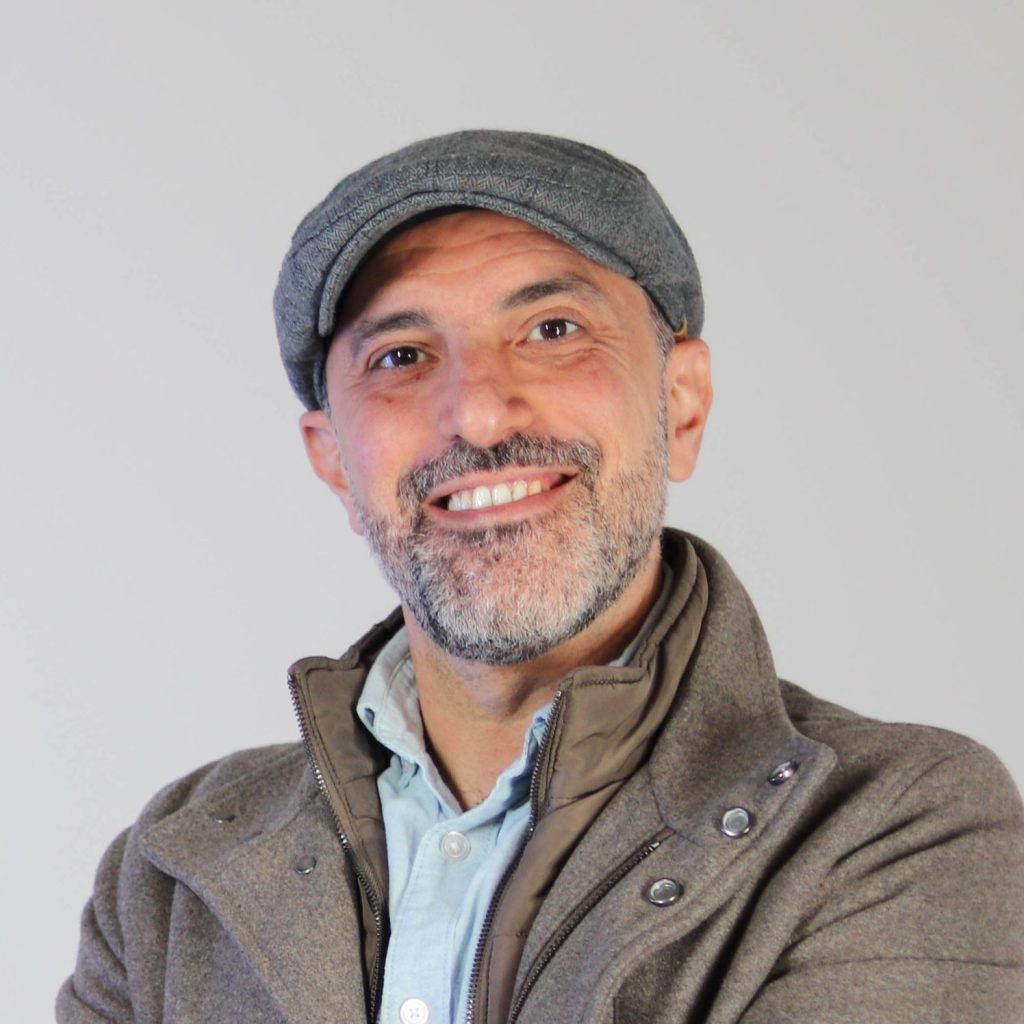
Mazen Alhousseiny is an organisational strengthening expert that combined the academic knowledge with the practical experience. He completed his master’s degree from the University of Manchester in Organisational Change and Development and has more than 7 years of experience on organisational development.
He is currently the humanitarian capacity strengthening advisor with HelpAge working together with around 30 national and local NGOs in Asia, Africa, the Middle East, Eastern Europe and Latin America on organisational capacity sharing.
David Peters

David Peters is Training and Capacity Strengthening Advisor for Start Network Crisis Financing Programmes. Start Network is a Global Membership Network with over 160 Local, National and International NGO members. Start Network aims to support a more locally led humanitarian system, where NGOs and communities they support can manage disaster risks in a more pro-active way. Capacity Strengthening for the growing Start Network membership has involved the development of a range of e-learning modules that engage our members on different ways of working, such as using Anticipatory Action, and how they can access different forms of financing to support this work. The modules complement other support packages for online, peer-support and in-person trainings.
Emily Marr

Emily Marr is Director of the Education & Science unit at Governance & Integrity International (G&I), where she has worked as an adviser and trainer since 2014. She is also one of the lead lecturers of the professional education programme for integrity officers run by the Foundation for Justice, Integrity and Anti-Corruption (FJIAC).
Emily led G&I’s Civil Society unit until 2026 and continues to advise civil society organisations on strengthening their integrity systems.
Before G&I, she worked in international development in Afghanistan, Central African Republic, Iraq and Nepal.
Fay Loosley

Fay Loosley is Sales and Account Lead at the Humanitarian Leadership Academy. She is a results-driven and passionate relationship builder with extensive experience securing high-value partnerships across the charity, sustainability, and tech-for-good sectors. Skilled in building trust with stakeholders at all levels and managing complex sales cycles, Fay brings creativity, emotional intelligence and strategic thinking into every partnership to maximise revenue, impact and purpose. Fay is based in London, UK.
James Maltby

James Maltby is Head of Global Engagement, Platforms and Communications at the Save the Children UK Humanitarian Leadership Academy. His team supports more than one million humanitarians worldwide through the HLA’s digital platforms, learning programmes and online communities. He is passionate about ensuring technology is designed inclusively, enabling essential services to be accessible, usable and impactful for everyone.