17th August 2026

Every year, World Humanitarian Day gives us an opportunity to recognise the people who make humanitarian action possible. This year, that recognition feels particularly important, but also insufficient.
More than 1,000 humanitarian workers have been killed over the past three years, making this the deadliest period on record for the humanitarian community. In 2025, 97% of aid workers killed, injured or abducted were local staff. The scale of these numbers is overwhelming. But behind them are people responding to crises in their own countries, often in their own communities, while living through many of the same challenges themselves.
This reality becomes much harder to think about in the abstract when you spend time with people working in humanitarian contexts. I have felt that during visits to Sudan and Ukraine, and more recently in Nigeria. The people delivering humanitarian assistance are not somehow separate from the crises around them. They travel the same roads, live with the same insecurity and uncertainty, and worry about their families and communities. For local humanitarians, responding to a crisis can mean being exposed to its risks every day, long after international attention has moved elsewhere.
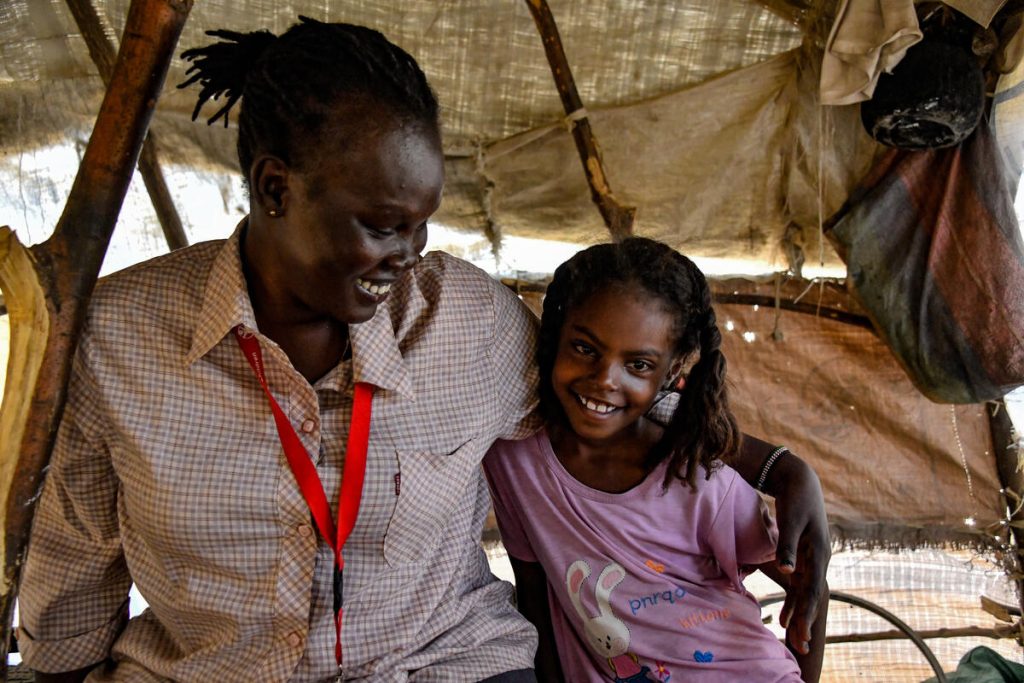
I thought about this a lot during my recent visit to Nigeria, where humanitarian workers operate amid conflict, displacement, food insecurity and climate-related shocks. The risks are real, but focusing only on vulnerability would tell only half the story.
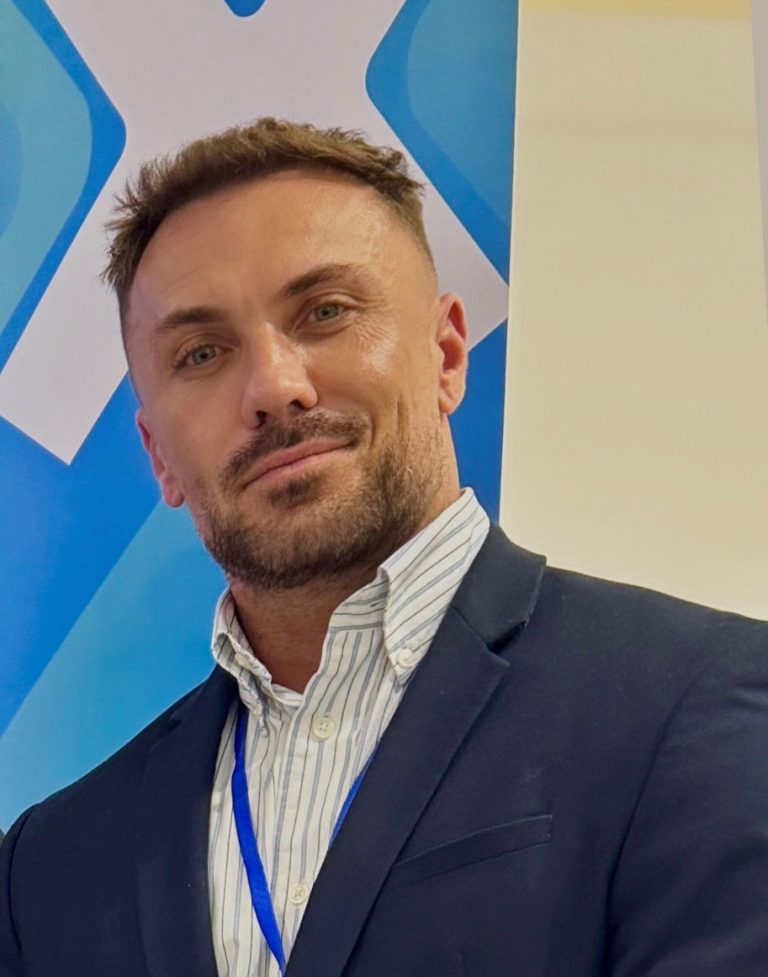
At the Humanitarian Xchange in Abuja, I met humanitarian leaders from local and national organisations from across Nigeria and the wider region. Many had travelled considerable distances, and some had paid their own way, because they wanted to learn from each other, build relationships and have a voice in conversations about the future of humanitarian action.
I was enormously impressed by the expertise, ambition and determination in the room. These were people navigating extraordinarily difficult environments while thinking beyond the immediate response: about stronger organisations, better collaboration, new approaches and how humanitarian action itself needs to change. Their proximity to crisis exposes them to greater risk, but it also gives them knowledge, relationships and perspectives that cannot be replicated from elsewhere.
And this is where, for me, World Humanitarian Day becomes a conversation not only about protection, but also about leadership. Local and national humanitarian workers carry an extraordinary share of both the responsibility and the risk. Recognition alone therefore cannot be where the conversation ends.
First and foremost, they must be protected. Humanitarian workers are not targets. International humanitarian law already provides protections for humanitarian personnel and civilians, yet aid workers continue to be killed, injured, detained and obstructed. When this happens, the consequences reach much further. Humanitarian access is restricted, essential services are interrupted, and children and communities already living through crisis pay the price.
But protection also needs to sit alongside a wider conversation about how we value local humanitarian leadership. If local responders are trusted to operate in some of the world’s most difficult environments, they should also be trusted with resources, decision-making and the ability to shape the humanitarian system itself.
World Humanitarian Day is rightly a moment to honour humanitarian workers. But perhaps it should also be a moment to ask what honouring them looks like in practice.
For me, it means protecting humanitarian workers. Listening to them. Investing in them. And trusting them with the power and resources to lead.
World Humanitarian Day becomes a conversation not only about protection, but also about leadership. Local and national humanitarian workers carry an extraordinary share of both the responsibility and the risk. Recognition alone therefore cannot be where the conversation ends.