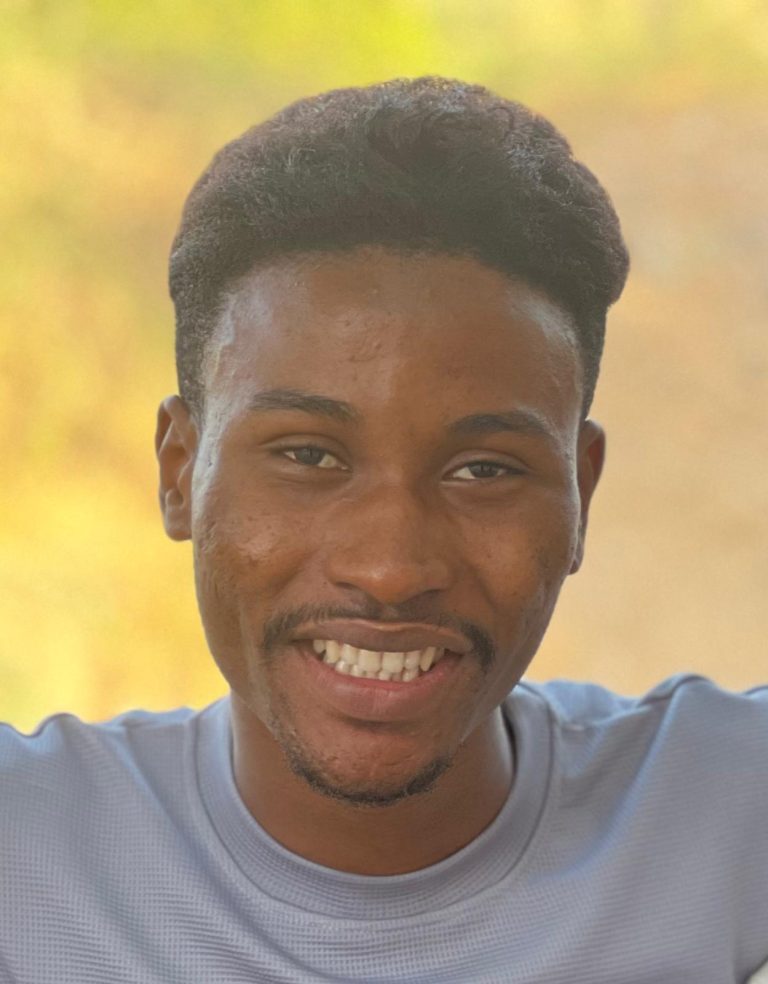
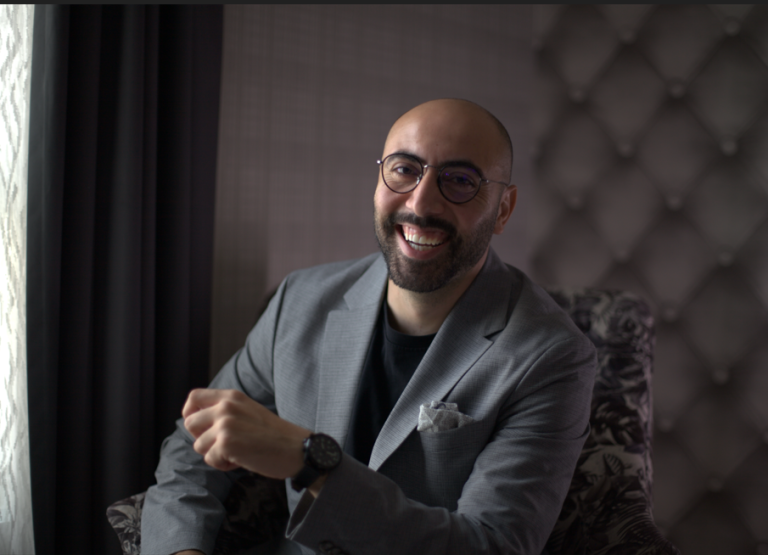
“The greatest measure of success is not how high you climb, but how many people stand taller because you chose to serve. Purpose is rarely found in comfort. It is found in courage and if your work leaves hope where there was once despair, then you have lived a life that truly matters.” – Hyelladi Vandi
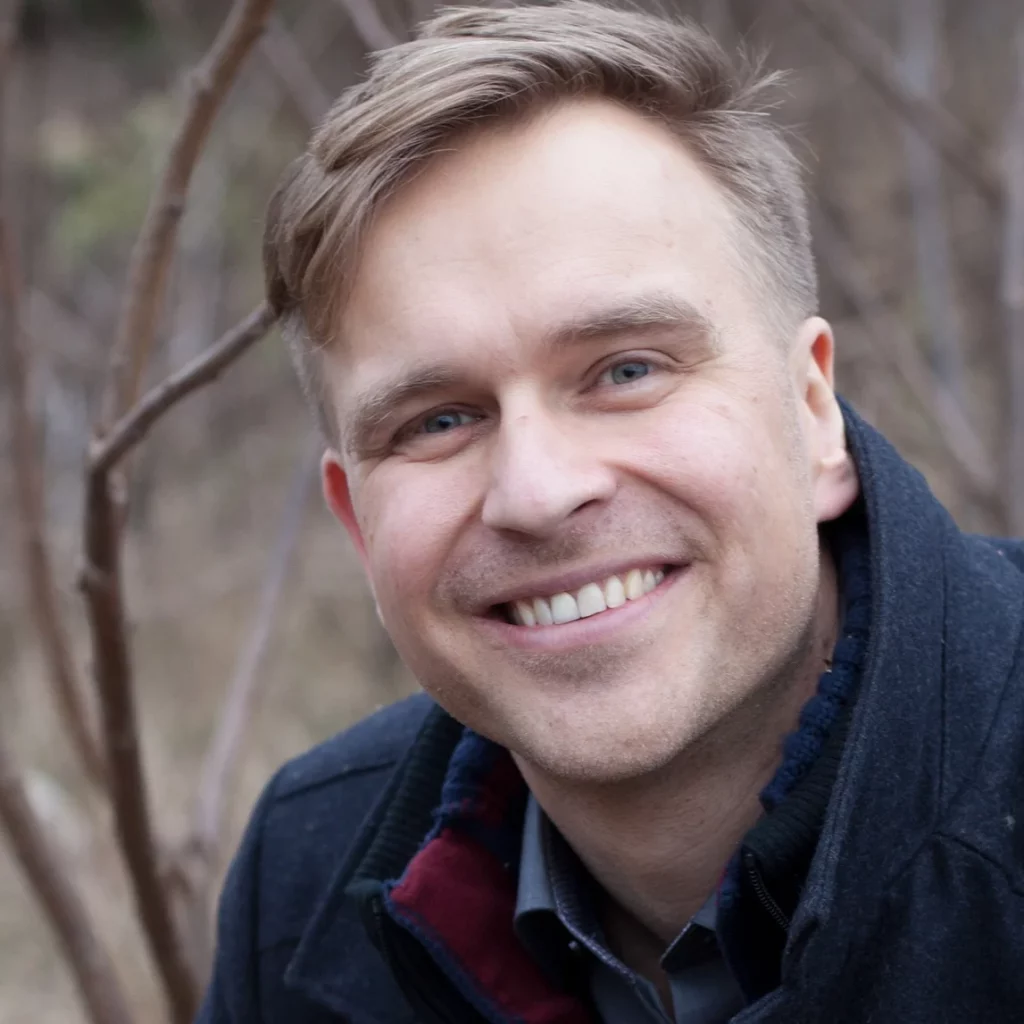
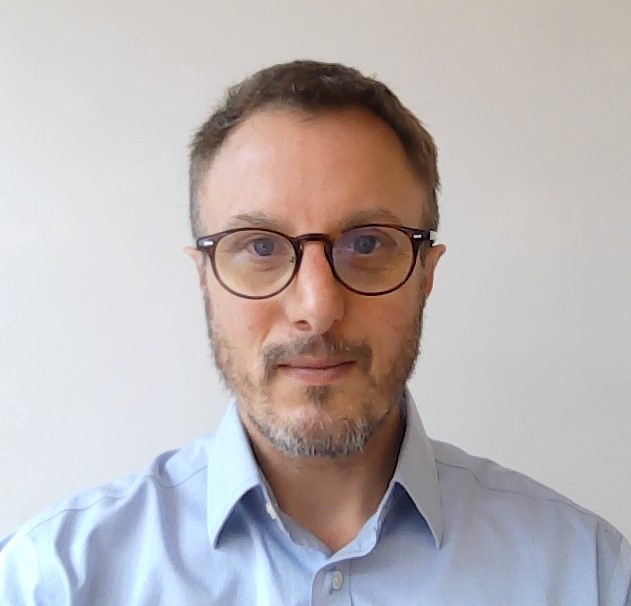
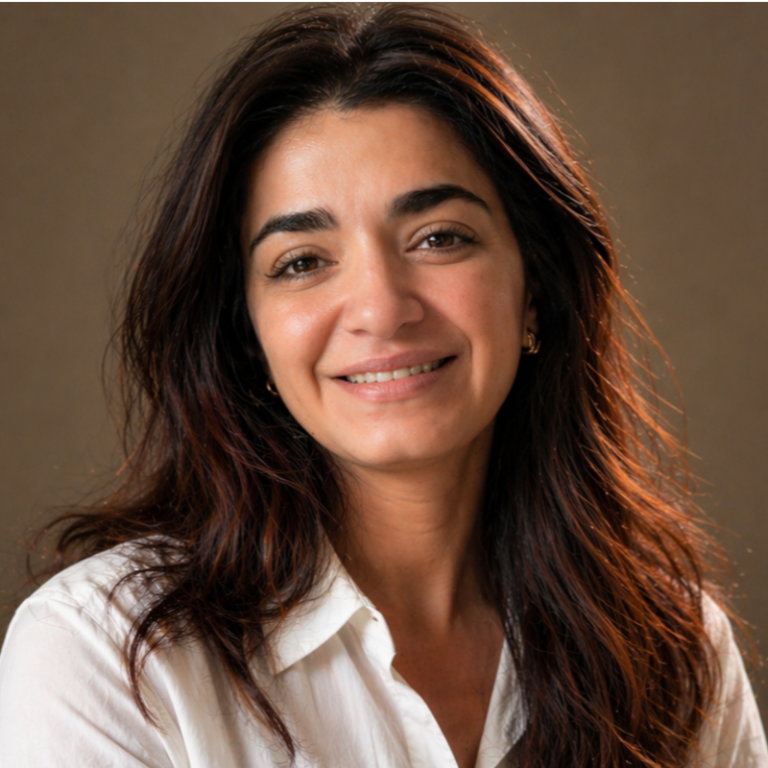
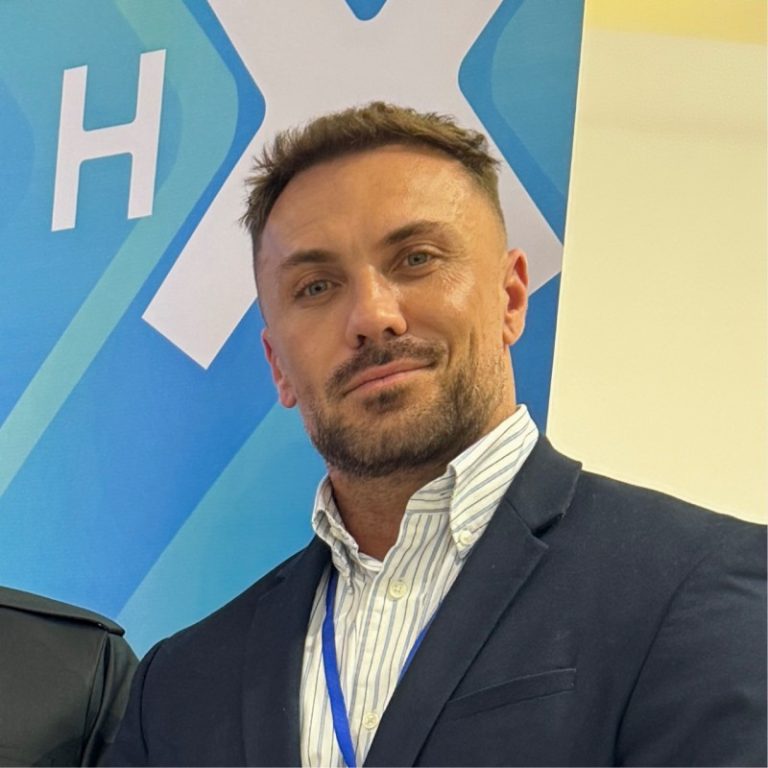
Nwabundo Okoh hosts this conversation with Hyelladi Vandi uncovering heart-felt truths drawn from Vandi’s personal and professional journey as a humanitarian – from his national youth service years in Taraba State, Nigeria to roles leading to Save the Children Nigeria.
Vandi through masterful storytelling shares key lessons on the importance of mentorship, humility, leadership through service, building competence through hardship and creating real impact.
Hyelladi’s journey is a masterclass for young humanitarians seeking experience and expertise in determining entry points into the humanitarian sector. He shares motivation, his initial inspiration and what has kept him thriving and making real impact in the communities he serves.
Themes of localisation and dignified livelihood also arise in the conversation. This episode is available on Amazon Music, Spotify, Apple Podcasts, Buzzsprout and more.
About Vandi Hyelladi Tumba
Vandi Hyelladi Tumba is a development and humanitarian professional, youth employability advocate, and programme leader with over a decade of experience working at the intersection of education, skills development, livelihoods, and economic opportunity across Nigeria.
Over the years, Vandi has worked with organisations including Save the Children, GIZ, Catholic Relief Services, the Danish Refugee Council, and the International Rescue Committee, supporting programmes that reach young people, particularly those facing barriers to education, skills, employment, and sustainable livelihoods.
But beyond the titles and programmes, Vandi’s work has been driven by one central question: How do we move young people from simply acquiring skills to actually having meaningful opportunities to use those skills?
His experience spans Technical and Vocational Education and Training (TVET), youth employment, entrepreneurship, livelihoods, private-sector engagement, work-based learning, and education programming. He has worked with governments, training institutions, development partners, communities, and businesses to create stronger pathways between learning and the world of work.
His journey has also shaped his belief that success is not simply about where we start, but about what we do with the experiences, opportunities, setbacks, and lessons life gives us.
Today, Vandi is particularly passionate about youth employability, entrepreneurship, sustainable livelihoods, skills development, labour mobility, and creating opportunities for African young people to participate meaningfully in the future of work.
He brings a perspective grounded not only in professional experience, but also in the realities of working directly with communities and young people, and in the belief that sometimes, finding your purpose is less about discovering one perfect destination and more about recognising the thread that has been running through your journey all along.
Episode transcript
This transcipt is autogenerated and may include errors
Nwabundo: Welcome to Fresh Humanitarian Perspectives. Today, we’ll be speaking with… Vandi. Hyelladi. Who is the programme manager and deputy consortium lead at Save the Children International, based in Jigawa, Nigeria. In this conversation with Vandi, we’ll be speaking with him as a humanitarian leader, who is blazing the trail in the humanitarian sector across Nigeria. and globally. His work has influenced communities, inspired others, and contributed to positive change. Welcome, Vandi.
Vandi Hyelladi: Thank you very much for having me. It’s a pleasure and an honor to be here.
Nwabundo: Excellent. So, this episode, we’re having today. We’ll uncover your humanitarian story. For the benefit of our listeners, let me share how we met. We met at HX Abuja. and had lunch together, and you shared a very compelling story about your humanitarian journey, and I thought. The rest of all our community members need to hear this story, because it’s not only inspiring, they have so many lessons to draw from it. With that, Vandi, tell us a bit about yourself. Tell us a bit about yourself. What inspired you, and how did this journey begin?
Vandi Hyelladi: Well, thank you again, Nwabundo. Yeah. I always ask myself that myself, how did I get here? But, for me, I would like… To start by seeing… I found purpose before I knew what to call it. When people see me today as a deputy consortium lead with Save the Children International, Nigeria, they often assume that I always knew exactly where I was headed. The truth is, I didn’t. I grew up carrying more expectations than answers. My parents wanted me to become a doctor. I loved the prestige it represented, I wouldn’t lie. While secretly, on my own, I was dreaming of becoming a pilot. I entered the university very, very young, after a very… Well… Challenging high school days, you know, coming from a poor, background. But, for me, I think… I was confused about my directions, and I studied zoology. After graduating, I handed that degree to my parents, because it was tilted towards the medicine they wanted me to read. Back to the university, started all over again, studied economics. By then, adulthood had arrived. I understood that survival, responsibility, and purpose do not always arrive together. So one thing, however, never changed. I loved helping people. My mother was known for connecting people to hope. Sometimes she gives advice, encouragement, referrals, practical support. So, for me, without realizing it, I was learning the service beginning long before it became even a profession for me. So everything changed one evening. When I was watching Hotel Rwanda, it’s a movie about the whole Rwandan conflict in the 90s. While everyone fled danger, one humanitarian aid worker drove towards it to rescue children. I remember asking myself, who risks everything for strangers? Like, this lady in the movie was not even an African, and she was in Africa, and then running towards danger while even Africans were running away from him. I didn’t know what humanitarian work was then, but something inside me came alive when I saw that. I still didn’t know how to enter the sector, like, to be the whole humanitarian or development aid worker, so I focused on excellence wherever I found myself. I graduated among the best students during my time. I received many awards during my National Youth Service, my school days. And even during my master’s degree, I was a valedictorian. So, for me, I strive to… Excellence in everything I do. So, looking back, excellence was opening doors before purpose walked through them. Eventually, I secured a respected government job. It offered me stability, but not fulfillment. One day, I was being publicly humiliated. Oh, okay. So I was just trying to express my… where the turning point was for me.
Nwabundo: Hmm…
Vandi Hyelladi: You know, as a serviceman working in one of the uniform organizations here in Nigeria, And, My boss came in and was harassing me on where I packed my very old vehicle. So it was a moment of thought for me, and I was thinking, is this how I want my life to be? Even though I was confused on the direction. Well. The later end of it is that I left, I resigned, and my family was devastated by my decision, because everybody looked at it as if it was a very secured place to be, like, to have a government job, job security, stable income, but for me to walk away from it was really not… the usual thing a young, you know, graduate was going to be or do in Nigeria. So my family was very disappointed. I remembered my mom not talking to me for quite a while for that decision. Well, My journey here started when I met a guy, Maxwell, that gave me an opportunity to volunteer in his organization. And from there… the passion grew even bigger, and then I started getting exposed to the humanitarian and development sector. 13 years today. Wow. Here I am in Save the Children International.
Nwabundo: 13 years, okay. Can we take a pause? Because you have… you have gisted us quite a lot about the journey, and I feel like I feel like we need to just recap. Hold on, because I’m really excited about your journey. So, you started off, in your mind, you wanted to be a pilot. Yes. Typical, typical, you know, African households is doctor, lawyer, yeah, doctor or lawyer. Your parents wanted to be a doctor. And then you, good child ofid, went to study zoology for your first degree, you said, and then you handed it to your parents. That made me laugh when you said…
Vandi Hyelladi: Yeah, I actually did, because I never used that certificate. Up till now, I don’t use it, so… And then the bit, I didn’t tell you about it, you know, in Nigeria, while you’re studying a science course like zoology, if you want to study medicine, you would have to write the university tertiary examination, what we call UTME here.
Vandi Hyelladi: apply for a job. So, I wrote UTME for all the years I spent in school. So I wrote UTME five times, actually looking for admission.
Nwabundo: Wow.
Vandi Hyelladi: And I never got it. So, when I finished, I said, okay, maybe that’s, God telling me that that’s not my path. I gave them their certificate and just pursued… at that time, I was getting older, like I said, so…
Nwabundo: For context, for context, UTME… their UTME exams is an annual exam, right? It’s not… it’s done every year, it’s not done more than once a year, is it?
Vandi Hyelladi: Yes, so it happens once.
Nwabundo: So you took it 5 times, which means it took you 5 years to get into… to get him to study medicine. What this is pulling… this is… what I’m hearing is resilience and tenacity here, because… Five years is a long time to wait to do something you don’t actually want to do.
Vandi Hyelladi: Yes.
Nwabundo: to the… So I wanted us to sit with that, because there’s some other things you mentioned. You mentioned how, you know, excellence was always your watchword. From… from in everything you did. Which is why, obviously, because I… as a Nigerian myself, I know there are ways to get to achieve things or to do things, but you chose the excellent path. Even though it took you so long, and for something that you didn’t want. So that says a lot already. And then, after that, you handed over the documents, and went back to study your love, or what you wanted, which was economics, you said.
Vandi Hyelladi: Exactly. So, along the way, you know, I lost passion for medicine. Of course, you know, they didn’t happen in the public system. I didn’t come from an affluent home, so I couldn’t afford private universities. So, within the public universities, if I was going to study medicine, it was going to take me another 6, 7 years. And I didn’t have the luxury of time because I was getting older, responsibilities were piling, and so on and so forth. So I just chose… The next best option I had, which was economics, and I still did well. if you ask me personally, I would just say, one lesson from my journey. is… Your career is what you do, right? But your purpose is who you become while doing it.
Nwabundo: So…
Vandi Hyelladi: When your purpose aligns with your career. then your work becomes a service. Like, you feel happy doing it. Service becomes impact. And then impact becomes your legacy. So, many people see me today and think, okay, I’ve always planned it, I’ve planned to grow in this career and be where I am today. But for me, I just see it was, just… Purpose aligning with… Passion. Resilience, sustaining. efforts, and excellence. So… but I wouldn’t say this is my final boss stop, because I feel that my story is still being written, and I hope it reminds someone that, purpose often finds us long before we learn. What case?
Nwabundo: These are such powerful words. I want us to also go back again, sorry, what you said…You, of course got a good job in many levels. A uniform job in Nigeria is a very good job, especially working with the government. And you were doing that job, which was quite… it was good for you at the time, and you said everything changed when you were watching Hotel Rwanda, which is… a popular film. Well, it was popular in its time, and it’s still quite popular. about the Rwandan crisis, and you said that you saw someone running towards danger, or towards danger to help people, when people from… people, locals, were running away from it. That is such an incredible picture that you painted. And made you wonder. what is this? What’s happening? Who’s this person? Remembering also, you had also mentioned that you already have a service background. And… you loved helping people. That is the baseline. For me, hearing you speak is What do you love doing? That’s why I heard you. And that’s why what you watched resonated with you, because many people I’m sure have watched Hotel Rwanda and did not have the same feeling that you had, like, oh, wow, this is interesting, why is she running towards… instead, maybe they would have… some people would think, is this person silly? Why are you running towards danger?
Vandi Hyelladi: Absolutely, absolutely. In fact, in the movie, she was warned by her peers not to step out of the hotel where she was. But her passion was way, way, way stronger than any danger that everyone saw. So, the lady drove out, took those children, took them to the IDP camp, and I was like, it took me quite a while. You know, the movie is so touching, very emotional, given that it is even a depiction of a real situation. Like, it was accounts of people that experienced it. So knowing that it was a true life story, and somebody doing that, for me, that part stuck. better than any other part. There were other parts that were outstanding and very pleasuring, but that part was particularly sticking to me, and at the end of the day. It made me to think. And what is more, you know, outstanding to me is that the lady in question wasn’t even looking African. In fact, she was European in build. And I’m like, why do you take such risk and sacrifice a lot in a country where you don’t even belong? Like. it’s not your country, it’s not your people, so I felt there was more to this than what meets the eye. And that was, for me. the trigger point. And when it happened that I was in public service, and I was humiliated, spoken down upon. And… The part I didn’t tell you is that it didn’t end at being humiliated and spoken down upon. I was actually locked up. So we have We call it the provost. So, when any uniformed officer misbehaves, you are locked there to cool down a bit, so that you have a conversation with your superior officers later, and then you get some warnings or something. And while I was locked up in there, I was thinking, is this the life I want for myself? Because, number one, I was just doing it because my parents felt there was job security, and then there was this prestige about being a uniformed person. But I didn’t have satisfaction, so… Immediately, I was released. Some weeks later, I ran away. And voila! I volunteered at it, and here I am.
Nwabundo: Wow. So you started… your first foray in the humanitarian sector was as a volunteer.
Vandi Hyelladi: Yes, yes, I was paid nothing. nothing.
Nwabundo: It came from salary to nothing.
Vandi Hyelladi: To nothing, to nothing. And to tell you the disparity, I was earning about, let’s say, 100 USD per month. As a startup in the government. I came back to zero. So, to survive, I had to now look for a job. as a volunteer teacher in a Christian secondary school that paid me less than 16 euro in a month.
Nwabundo: Hmm. So…
Vandi Hyelladi: if you put that together, I was having about 16 euro, that means around 19, 20 USD per month, as against 100, 110 USD at that time, and I was volunteering for community service for free. So I had a lot on my hands, and very minimal finances to work on. So I couldn’t come to my family for help. I was told very clearly by my mom. I threw it away, I should face it myself. But I’m glad she’s happy about me today.
Nwabundo: Absolutely, absolutely. I mean, it’s not easy to be a whole, leading a consortium.
Vandi Hyelladi: Wait.
Nwabundi: So, this is a good segue into our next… the next part of our conversation around crisis and challenges, because I can imagine that You know, earning zero was a bit of a challenge. at the start of your career, but obviously your passion sounds like your passion was driving you more, and the knowledge that where you were before was not where you wanted to be. I think that those are powerful things that could really drive someone to do things, even with the challenges of not having means financially. Well, tell me a bit more about the journey so far, from that point where you started volunteering in the sector, what are some of the challenges that you have… that you may have faced, you know, within… because… and you can continue in the… in the line of, you know, the storytelling, which I’m really enjoying, where after… after… I mean, after volunteering, how you, you know. Do your first ever paid role, and some of the things that Happened along the way.
Vandi Hyelladi: a lot actually happened, you know. Of course, you’ve mentioned the key, which is, financial, constraints that I had starting off in my career. Because, you know, the general perception of a typical African child from a you know, poor to average background is that you finish school, you get a good job, and then you take care of your parents. Basically, that is the cyclic nature of thoughts that we have. But for me, I had finished school with a lot of sacrifices, because I have two first degrees, so my parents had very high expectations. from me, hoping that I was going to help out in the house, and then with minimal, finances at that time, I couldn’t do much, so it, you know, affected our relationship for a bit, so that was the first challenge I faced. But over time, I had faced many challenges. For instance, challenges of moving between organizations and locations within Nigeria, and outside Nigeria. Particularly going to locations where you have constraints in the… The culture there, but you have to still remain respectful. You have to, you know, love what you do, and love the people, appreciate their challenges, support, and build local solutions together with them. So these were all things I had faced in my career, within my path. Particularly, I think my first break came when I became an acting team leader. I was working for, an organisation. the Danish Refugee Council, actually. And, I went to a totally different setup from what I was used to all growing up here in Nigeria. So, I went to a very… Conservative society where everything you do is scrutinized based on the eye of our social-religious perspectives and everything. And it was kind of hard for me to adjust. But the good part is that in this career. you have good support, especially mentorship and coaching. If you have good bosses or good mentors, then it helps you navigate such challenges with ease. Right now, if you ask me, as a deputy consortium lead, what my biggest challenge is. is… I would say it’s balancing compassion with difficult operational decisions. Sometimes you see communities that will lose everything. The only thing that will be remaining in such communities would be hope. But as a leader, You would have to take hard choices. But while you take that hard choice, you have to know behind your mind that you must maintain humanity. So this is my biggest challenge now. To take hard choices as a leader. While maintaining your humanity. It might sound very easy to somebody that is not in this situation, but it’s quite difficult when you face it as a person.
Nwabundo: Hmm. Combining compassion. with the things that need to get done. Yeah, I can’t see how that would be… It will be a real challenge, especially in this sector that we work in. And… Do you… do… do you… are you happy to share any… Actual examples of… That’s… that type of scenario that may have happened, not recent, maybe… From FAPA.
Vandi Hyelladi: Absolutely, absolutely. So, in the peak of the crisis in the Northeast between 2014 To 2016, or thereabout. So, we’re working in one of the most… very troubled and dangerous communities in one of the northeastern states, UB State. You might have heard about it. It was one of… it’s one of the base states that was most affected by the insurgency in Nigeria. And… we had… A situation. where… We couldn’t help all the communities. And fortunately… unfortunately for us, let me put it this way, is that the relationship between the communities are very intertwined. Because of their proximity. Now, it was two things. Concentrate, and help out the most vulnerable and the most needy at that time using the mega resources we had, or spreading it across everyone, so that everybody has a bit of support, only that the relapse would be quick, and it would be immediate. So we had to make a decision. And, well, we just came up with the fact that we need to help the most weak among the society. So we had to focus on children, women, and survivors of You know, gender-based violence, or kidnappings or abductions by the insurgents, like those that were… that were released, or were gotten back by the army. And, for me, it was just choice between bad situations, but you just have to choose, you know, the one that you feel will make the most impact. So it’s very sad to be in this situation where, you know. both sides. It’s like you’re fighting a lost battle, but somehow you just have to keep the hope alive, you know? These are two bad situations. You hope everybody had food to eat, you hope everybody had clean water to drink, you hope everybody had some shelter over their heads, and you hope That people have some. Even if it is, you know, a reasonable ration. You know, to maintain their nutrition. But you’d find out that the needs would be so vast, and the population would be so dynamic, the demographic composition so complex, and you would just have to choose between conflicting priorities, and you’d have to settle for the lesser evil. It’s very painful. Very cool. Cool. Yeah.
Nwabundo: Absolutely, and I think that’s… that’s your service, that’s your service speaking, and that’s that desire, that passion to… to provide service. I’m speaking, and I 100% relate with what you’re saying, and I think just to almost, like, bring it to what’s happening, you know, in the sector now, all the conversations that people are having around collaboration. Yeah. You know, making sure that when people or organizations go into different communities, they are working together with the NGOs that already exist there, or the INGOs already exist there, because and sorry, this is kind of going off… off the… off the point of our conversation, but it’s just reminding me, because those are some of the conversations we had at HX Abuja, is Yeah. You can’t come into your community not knowing what’s happening, because imagine you come there choosing to help the most vulnerable, because that’s where you see the greatest need. And then if another organization comes in there choosing the most vulnerable, again. It just means that there are some people that continually get ignored because they’re not the most vulnerable. But if there’s more collaboration, exactly, you know, but if there’s more collaboration amongst us, and we’re working together, so all the NGOs working together will be in that area. There’s more… it spreads out more, you know, the people… more people are reached. More people who might not necessarily fit into You know, what’s…
Vandi Hyelladi: Owen.
Nwabundo: Different edges.
Vandi Hyelladi: And, you know, I… I… at this point, I think you… you struck Something that I think would be helpful if I share. Sometimes, when we work, we are tempted to believe we know what is best for this.
Vandi Hyelladi: Right? We treat the communities as beneficiaries, or these are the global standards, these are the fair standards, these are these standards, minimum thresholds, and all those things. But when you interact with them, you would find out that there is more juice to the lemon than what you’re seeing, right? Because when you interact, they give you these perspectives, and you’d find out that some things you think, or you thought in your mind, that are life-saving might not actually be the priority for them.
Vandi Hyelladi: We went to a community, In, one of the places I worked before. And the idea was to target a certain proportion of males and females alike for cash transfer. And when we went, we did the community entry, we discussed, and then we went into this dialogue to understand the dynamics, current dynamics of the community as at that time. And it was shocking for me to see That the female said, here, they trust their men. And if we have to give the cash, we should prioritize the husbands first. The husbands have the responsibility of taking all aspects of the family life and livelihoods of the whole family, the mother, the children, and everyone, you know, involved, are first. So we’re asking, but why? We have seen that in some places, when you prioritize men, they have other priorities, like some would You know, go and take care of themselves, living out the families. So, but the mothers have this compassion to, you know, support the children and everything. And they said, no, it’s not like that here. Now, this is vis-a-vis a proposal that was saying we should target 70% females. But this is what is coming from the community.
Vandi Hyelladi: So, we had a conversation. This is what they say. Can we have a structured way of testing this hypothesis? And we try it out. At the end, it worked superbly. no gender-based violence, no neglect, at least it was kept to barest minimums. You can’t say 100% there was no challenges, but it significantly was successful. So, for me, I think it’s high time we move from treating communities like beneficiaries and moving them into partners. They are partners. They understand their challenges. They are facing. So, partnering with the communities to devise local solutions for their problems brings out more impact than assuming that this formula fits all situations, so far as the situations are similar. And again, we need to know as… development or humanitarian aid workers as organizations, as different stakeholders in this sector, that the real owners of sustainable change is the community. Absolutely. to… if they don’t take the driving seat, it just becomes a temporary fix to a permanent challenge. So, the communities must be treated as… Partners are not… beneficiaries.
Vandi Hyelladi: I’ve seen over my career.
Nwabundo: Hmm. Absolutely. Thank you, thank you for dropping those gems
Vandi Hyelladi: Yes, yes.
Nwabundo: It’s very good to hear that experience that you shared. Because these are… I mean, I know we’ve probably heard, you know, examples like this over and over again. What I think is important for us to keep on hearing these examples, keep on reiterating these points, so that as we go into communities and collaborate with fellow INGOs, we’re considering, and not even considering, prioritizing the voices of the communities that we’re going to serve, so thank you very much for this.
Vandi Hyelladi: Yeah, you’re welcome.
Nwabundo: So, I have a few more questions, if you don’t mind.
Nwabundo: Here, we’re going into your personal definition of humanitarian leadership. You know, when you look at leadership right now in our sector, in our very, traumatized sector, if I can call it traumatized. How would you… how would you define Humanitarian? What do you think is needed today? In the sector, in terms of leadership qualities. What would you say is needed?
Vandi Hyelladi: So… for me, given how I went into this sector. the opportunities that this sector availed me, and the great, great colleagues I’ve had, and I’m still having today in this sector. I’ve narrowed leadership down to one single thing. And for me, leadership is not standing in front, or taking lead, or giving instructions. but leadership. It’s standing with people. It’s collaboration. Especially when those people have no voice. It’s partnership. It’s keeping the hope alive. If you cannot Make the hope of one depressed, one deprived, one underserved, One… disadvantaged person. to stay alive, then I think… You, as a person, needs to review if you are a leader or not. And when it comes to the qualities that I see, as leaders. If you come to the quality that I see. We should have as leaders in this sector. The first that hits for me would be humility, because it takes humility to identify potentials in others. It takes humility to see the good in others, even when the situation is looking bad. You have to have courage, you have to have integrity, you have to be curious, you have to be very dynamic and innovative. You have to be resilient. But in all these aspects, The ability to collaborate across culture with humility. For me, is the most important quality that we should have as leaders in this sector. Because it helps us to appreciate The juice, and the main content. Of our relationship with the communities and the people we serve. So that is what I’ll think. About leader and qualities of leaders in our segment.
Nwabundo: You’re absolutely correct, because, I mean, not… I absolutely agree with you. Humility, I would have never thought that would be the… main… the first thing you would say, I don’t… I don’t know what I was expecting, but… when he said it, I said, wow, that is so true. Humility, humility, and… I believe this spreads across Not just people who are… who have been in the sector, because who are probably the ones who struggle the most with humility. I’ve been here for 50 years, I know everything. Exactly. And I think it spreads also across young humanitarians coming in, right? Would you say that, you know, someone who is just starting out in the sector, that is also a quality that they will need to always bear in mind?
Vandi Hyelladi: Absolutely, Nwabundo, absolutely. Let me tell you, I was a victim of that, too, starting out. The passion was there. The courage was there. But I didn’t know the humility to grow fast. So let me share one interesting fact that I didn’t tell you from the beginning. I started from volunteering. Grew into an assistant. became an officer, And I remained an officer. For 6 years. 6 years across 3 organizations as an officer. And I had to ask myself, I said, what is it? And it took one, one. very visionary leader. That is currently my mentor. I’m so proud. He’s a Zimbabwe, and his name is Freeman Muleya. He looked at me and said, Vandi. You have everything it takes to grow. But you have to be humble. If you are not humble, You would fall into the trap of thinking you know it all. And once you are in that trap. Your pet will be so full that you can never develop. And it’s only a matter of time, you will lose your humanity, and it will be around the force. The income and the prestige it brings to you. Those words stuck to me, and for a very long time, I thought about it. When I was able to break out of it, you would not believe I became a technical advisor. from an officer. I was never a manager, I was never a team lead, I became a technical advisor, straight. So sometimes it’s not what we know or what we can do. The basics of our careers as humanitarian and development aid workers is our humanity. When you can do everything, and you lose your humanity, Then… You’ve lost it. And I have seen across this number of years, I’ve worked young, Professionals that come up. Join this sector, and come with fire and everything, but pride takes them down. Because, as it is said, pride comes before a fault. It’s pride that blinds you to seeing that processes and procedures are put in place to protect you and protect the people you serve. It’s pride that makes you see that you can bypass processes and think you can achieve the same outcome. It’s pride that makes you think that you know what is best for the community. It’s pride that makes you think that you know what is best for the people that we serve. while their individual needs are not considered, and their individual opinions are not considered. So all this, for me, I tie it down to pride, which is very, very visible and rampant these days. However, I think We, that have gone ahead, and still are moving forward. Should take it as a responsibility that whoever comes across our path as colleagues, that we mentor them, that we coach them, that we help them groom into very solid professionals that would put humanity and service first before any other thing. Because this is what defines the purpose of a map, and this is what keeps the fire burning for us in this sector. Once we lose it, then all the humanitarian principles that we stand is lost. Our neutrality, our… all the humanitarian principles that we stand for will be lost. So, it is a big thing for me, and it’s absolutely true that right now you see a lot of this, especially among young professionals, you know. panning out and showing itself in a very ugly way. But hopefully we’ll keep You know, advocating for… for professionalism and, humility and service, you know, ahead of anything else. I think you’re muted.
Nwabundo: Yeah, but yeah, gosh, yes, pride. And… And how… How it affects everything. Everything, even more than we can think of, even more than… I think, the extent of how much… Pride can… affect our work as humanitarians. I don’t think we’ve… We fully understand, and I really love how you… brought in mentorship. Because I was going to mention that as well, god bless good mentors.
Vandi Hyelladi: Yeah, absolutely. Oh, man.
Nwabundo: Because I imagine you’d probably still be an officer if somebody hadn’t called it to order.
Vandi Hyelladi: Exactly, right? Exactly, exactly. But more to building professionals for me. Beyond mentorship, we also need to coach.Coaching, we need to delegate responsibilities, because these are all things that Freeman gave me. Gave me the opportunity to make my mistakes, learn from them. forward, keep advancing, you know, giving me counsel and advice and guidance all through the way, but allowing me to make, you know, sufficient mistakes to learn from them, practically. But again, to this. We have to. As people that have gone forward. Create opportunities for those that are coming behind. Let others shine. Let others come and take the touch. Because we would not remain there forever.
Nwabundo: Absolutely.
Vandi Hyelladi: Yes, we might have the passion, we might have the zest and everything now, but Someday, age will catch up. We have to step aside, new leaders will come. So what happens when we don’t take our time and build the leaders as we were built? The whole thing will collapse. So, we will… Advocate for coaching. Mentorship, But again. Let’s not coach a mentor only, but let’s delegate, let’s create opportunities for these young lads, and let us give them opportunity to shine. It’s more joyful to shine together.
Nwabundo: I love that. It is more joyful to shine together. And I’ll just quickly plug in… do a quick plug of the Humanitarian Leadership Academy’s Leadership Coaching Network. Where we are… we invite, people who are interested in Becoming coaches, or people who are looking to be coached. we have a series of applications. I’ll include, the link To some information to this podcast for anyone who is interested in checking out the network, either to join as a coach, or to, be a coachee. or someone who is seeking mentorship as well. We’ve got provision for that at the Humanitarian Leadership Academy, because one of our focuses is supporting leaders in the sector globally. So, we welcome, interest, to a wide… Group of people, so just my quick plug. go back into the conversation. Thank you so much for your time so far with us, Vandi. Honestly, I think that I’ve learned some… as in listening to you, I’m just… Well, I’m really, really grateful, because I think what you’re sharing now is part of… is part of… what we’re saying, you know, being able to teach other people, and being able to share with other people, to encourage, to build, to mentor. There’s something I want to ask, which I’m trying to find a way to build it in, because you shared this with me at lunchtime. it’s something I think our audience is… because we reach a wide group of people, from secondary school to, you know, university to beyond. So… It’s going back to service, because you mentioned that your mom, you watched your mom serve. And I wondered… If at the start of your career. Even before the uniformed role made you realize made you realize how much you love service, or what’s… I know you said that the passion, your purpose, sorry. You found purpose even before you knew what it meant. I want… can you elaborate on what… what made you… what made you say that? What has happened, or what happened before your informed role? That made you… What made you say that? Made you realize that?
Vandi Hyelladi: Yeah, so, thank you. This is a very important thing, and sometimes we are so bothered with the chaos of life that we miss the… Small things that matter. you know… As you grow, At different stages of life, you have different priorities. But what is tied to your purpose and destiny? Would remain constant across all your ages. If you do see, say, or act on something that makes you happy. Fulfilled, and give you inner peace. Watch it critically, because your purpose might be tied to that. When I grew up seeing my mom help out. We didn’t come from an affluent family. We didn’t have You know, resources or money to throw around. But within the space, the small flexibilities that my mom had, she did her best. For some, she gave advice. And she became, like, the chief advisor of the community. Like, people come to her for counsel. And I’m like, how would a grown person meet another grown person to ask, what should I do? You know, that time I didn’t understand what it was, but I felt it was a nice thing. And then, when she reached out to people with the meager resources we had, He took us along. And anytime I do that, I feel happy, I jumped, I laughed, I smiled, and you see the smile on the faces of those that receive, and then it gladdens your heart. And everything just was falling into place. So, for me, I would feel, as a young lad in the secondary school, in the high school, junior, senior, or college level. The first thing you look out for is what makes you happy. While you do it. Let me give you an instance. I was discussing with a friend and saying, I envy those that do sports as professional athletes. And he said, why? I said, imagine getting paid those huge amounts for doing what you love doing. something you’re going to do, even if you’re not giving anything. Like… Is that not a bonus? So, when you pursue what you love doing, all the privileges. And the benefits. Would come as a bonus, because these are things you would do even if you’re not paid, even if you don’t have networks, even if you don’t meet people. Even if you don’t have the prestige and the, you know, flair and glamour that comes with it, you will do it, and you will do it diligently, and with all passion, and all commitment, and all humility. That would be the key ingredient. So, if you see that… Somebody coming out of a difficult situation makes you happy, genuinely, and gives you peace. And focuses your eyes, you know, on doing more for others. When you see your shoulder as a platform for others to stand and grow. than I think… This is enough triggers and direction for you that you might want to consider a career in this sector. or a related sector at different levels. If I want to lead this to my leadership now, Right? It had taught me to lead with empathy. to listen. Listen to people before I act. Even when the facts around are saying different, you have to listen. You have to empower people around you. Whether physically, whether financially, whether in skills, whether in resource, whatever way you can. But make somebody better than what the person was when you met them. You have to, in the final stages, celebrate the success of other people. Because this gives you the platform of knowing that this is the direction you need to take. I’m sorry I’m taking your time, but Sometimes it’s, it’s… it’s, it’s… it’s… elating for me to talk about this. It’s not every time we get opportunity to share our stories, because people see us and they judge us by what they see now.
Nwabundo: What?
Vandi Hyelladi: They don’t get the stages, the steps, the challenges, the obstacles that you’d have to pass to reach this point. Absolutely. And in all, Do what makes you happy.
Vandi Hyelladi: Exactly. So, you know, with these things that I got from my mom, anywhere I go, I try to find something to do to help others. So during my service year, I was posted to an establishment. It was a government, a public enterprise, it’s government-owned. Tarabh Investment and Properties Limited. It is in Taraba State in Nigeria, where I served. And I was posted to the capital desk. Basically, my role was, stock market monitoring, company appraisals, and so on and so forth. But many of my co-members at that time were posted to schools. Where they are expected to teach young lads. So, in one of these days, I went to visit my friend in one of the schools. It was a government secondary school at Dongar Route. And when I entered, I saw some lads. You know, Trying to ruffle one of the lads also in uniform. And I came and stopped them, and I was like, why do you want to bully this person? Whoa, whoa, whoa, just trying to keep calm and cool and, make everyone, you know, calm down, whatever it is that was provoking them. And one of them said something that struck me. He said they were given an assignment. There was only one of those books in the already dilapidated school library, and this guy took the book from the shelf and refused to return it, making them not to have the necessary resources what I mean by resources now is materials to do their assignment. Now, the assignment had been submitted, and he’s bringing out the book to return to the library, so they wanted to beat him. And… While people were seeing this as a challenge, I saw it as an opportunity. Already in my brain, I was like, okay, how do I have these guys to have access to books? It was already bad that young lads don’t like reading anymore. Not to even talk of being passionate about looking for books to read, but these are a group of young people. That are even fighting and angry that they were deprived of reading a book. So, I swung into inner thoughts and thought, okay, what can I be able to do? I said, okay, let me do something about it. I approached the school management. They are located a dilapidated classroom, block. A single room like that for me. I went to my office, I asked my office, please, can they support me with a computer? And they said, we would support you with your computer, what? So immediately, they told me they were going to support. I went into full action. Well, long story short, I was able to rally around, got people to contribute, I was able to set up a small digital library for the school. where I put 5 desktop computers, and then I approached the American University, then the head of the library was… a friend to my elder sister who was working also with the American University. So through her, she introduced me to him, and he donated one computer set, a desktop computer set, provided a router. Provided, access to about 5 million online books through their library portal. So I was able to set that up. I think that was… I started it as a passion, but just like I told you, it gave me a lot of commendations, because with that project, I got the state commendation, the state governor gave me the commendation, and that landed me my first ever paid job, because I was retained after my youth service, and I started working there for a few months before I joined the uniform work I went for. So, this was very elating for me. And, at a point, our state coordinator for the National Youth Service Corps was so angry at me. I was like. you had the intention of doing something like this, and you redeployed. I said, I don’t understand what you’re saying, sir. He said, this would have landed you a national award, and the government would have sponsored your master’s to any school in the whole world that you wanted to go. I said I didn’t know, I just saw a group of kids that needed books, and I just thought, how do I help as much as I can with the resources I can be able to rally. And in the face of digitization and computerization of schools, I thought. What more would serve more people than an e-library? I wouldn’t have gotten enough books to go around the students in the school, but at least I would give everyone that is really interested access to have Whatever books they wanted to. And one thing I didn’t also tell you is that during our lunch that time, is that To that library, I had also physical books on bookshelf put there, and that was also donated by Books for Africa through a local community-based organization known as Karatu Library Foundation that was founded by someone close to me, Efada Udo. and was co-founded by the then-head of library in the American University, Mattis Pearce. She’s an American. So they started it to support young children that are underprivileged among, you know, others in the community to have access to books just to read and develop themselves. So through, Ifada and Martha, I was able to get some high school books from Books for Africa donated, and I took it to the school and put them on the shelf. It’ll be interesting to know how this library is doing now, because to tell you, it’s been plenty years I was in Taraba. But I think I’ll take it upon myself when next I’m there, I’ll try to go and see if it’s still there. Hopefully, it will still be there, I’m not sure.
Nwabundo: But definitely amazing work with that, honestly. I think when you shared that with me, I thought, okay, this is a… just for context for our listeners, the service here means, a lot of Nigerians, I think it might also be present in other countries, but in Nigeria. And when you finish your university, you have to do one year of serving the country, and what that means is That one year, the country, the government will post you to wherever they deem fit, wherever help is needed, and most times it’s schools, secondary schools, or mostly secondary schools across the country, sometimes in really rural areas, so they’re not necessarily, like, urban, up… you know, upbeat-type areas. It’s very rural, and then you go to teach courses like science, English, math, because there’s usually need for, teachers in those parts of Nigeria. And so, what Vandi is describing is That year, where… and the government pays you that year, because sometimes the salary from the places you’re posted to is not always Okay, and even without that, government pays regardless. So we do a camp, and then we do the service year, which is really… it’s always really good. And then during your service year, you can choose to do a project, if you so decide. It’s not mandatory. Some people do, some people don’t. And yeah, they teach you as well how to start a business, in case that’s what you decide to do when you finish from the service year. And typically, people typically do it while… before they get a real job, and some people get retained, like Vandi did, which… because he did amazing work. It’s not always the case. But that story, I think, is so important, because at the very end of doing two degrees. you went and saw a need, so you already… that service mindset was already in your heart, and… and that’s why I thought it would be so good for our audiences to hear that part of it. So, wherever you are, as listeners, wherever you are, just start. You see a need, you know. see what you can do about it. I usually say this to young people, is why you see a need, even if you don’t have the means. Obviously, with the salary from the government, I don’t think it was a lot at the time. You wait.
Vandi Hyelladi: What was it?
Nwabundo: Exactly. You found means, though, and people saw the value in what you were doing. I want to say that’s the first ever in Taraba state, no? The first.
Vandi Hyelladi: Yes.
Nwabundo: library. So this is a historical thing here, and I can’t imagine how many people that that library would have impacted. and how much more encouragement you’d have provided to people, you know, young people trying to finish a degree. All that access, honestly, at that time, all that access to resources is invaluable. invaluable, absolutely invaluable, if you’re asking. So, on behalf of Taraba people, even though I know you got your accolades, thank you, thank you for doing that.
Nwabundo: How can young professionals prepare themselves for Humanitarian leadership? And if there was one message you want to leave with the sector, with all the workers in the sector, especially in this climate that we are in now, what would that message be? So, two questions in one.
Vandi Hyelladi: Okay, so… Well, I’ll tell, young… people. Not to chase titles. Rather, Chase Competence. Very key. His character. and contribution. You have to be competent in what you do. You have to have the right character for what you do. And you have to always see everything from the eyes of what can I contribute? Because excellence opens doors. But purpose determines which ones you walk through. So you would have to make those decisions for yourself. And that is what… I would advise young people. And if I would, like, maybe give… Like a reflection, or… what I think in this sector, we should be doing now, is… For us to do that, we have to also understand that Africa’s young people Is it… is enough resources. So we have to strive to find locally-led solutions. We have to be innovative. But most importantly, we have to develop partnerships. Partnerships with the communities that we serve. Partnership with our fellow colleagues. Partnership with the institutions that support the work we do. partnerships with the institution that are saddled with the responsibility of what we do within every state that we work. When I say state, I mean the countries that we work. partnerships with the upcoming… let me… allow me to put it that way. Upcoming professionals that would be the next generation of leaders in this sector. We have to just build partnerships across both. So this would be some things that I think we can do as professionals in this field of work. And for us to achieve that. We have to invest greatly in localization. We shouldn’t always feel that as international institutions or international staff for international organizations, that this is going to continue. Because if you look at the trend now. There is increasing chaos and crisis globally. So we can’t always depend on international fundings or grants to help the people that are in need. Let’s find a way of helping, somehow. Therefore, I want to advocate for greater localization. We have to also invest in our youths. Africa has a huge youth population. In Nigeria. I saw an article that was saying our population is above 300 million now, and 60% are youth. 60% of 300 million That’s a lot of tens of millions of youths. And as David Ricardo says, mob. Mass army of mob. So, if we don’t do anything about it, That is our future problem. So… We have to invest. In our youths. And we have to build stronger systems. systems that work. Systems with purpose—systems that can help generations yet unborn. We have to also know. as Africans, I know we are nonchalant about this, but… Thank God with the increasing awareness and countries taking practical steps to tackle it. I know that we are serious about it now. It’s the issue of climate. We have to be serious about climate. As a baseline, we have to pay attention to dignified livelihoods for all. Because 90% of the challenges we face, in Africa specifically. Has one, in one way or the other, has a point to be tied with the livelihoods of those individuals, communities, states, countries, or regions.
Nwabundo: Absolutely.
Vandi Hyelladi: we have to work towards dignified livelihoods. So that would basically be my thoughts about our work. And that would be my recommendation for young people.
Nwabundo: Thank you so much, for your time today. Thank you for sharing very strong, useful nuggets, not just For navigating this sector as a young person, but also for navigating life, because things like having excellence, being excellent in everything we do. Having a certain level of resilience. Being able to identify passion, you know, and go with it. Humility is perhaps the biggest thing to flag. And having a heart of service, Even in spite of challenges. So thank you so very much. Thank you, and I’m deeply appreciative, and thanks to the HLA and, and HX Abuja, because that’s the way we connected, and I’m so grateful for that connection.
Vandi Hyelladi: Yeah, absolutely. So just telling our young dudes, right? Our young lads. The greatest measure of success is not how high you climb, but how many people stand taller because you chose to serve. Purpose is rarely found in comfort. It is found in courage. And if your work leaves hope, where there was once despair, then you have lived a life that truly matters.
Nwabundo: Thank you, sir. I think on that note, we will round up this episode of Fresh Humanitarian Perspectives. Thank you, everyone, for listening
Additional resources
About Humanitarian Leadership Academy’s Leadership Coaching Network
International Youth Day article
This episode is produced by Nwabundo Okoh, Communications and Marketing Lead at Humanitarian Leadership Academy