Thank you for visiting the HLA website, we are updating the site to reflect changes in our organisation. Contact us if you have any questions.
Contact us
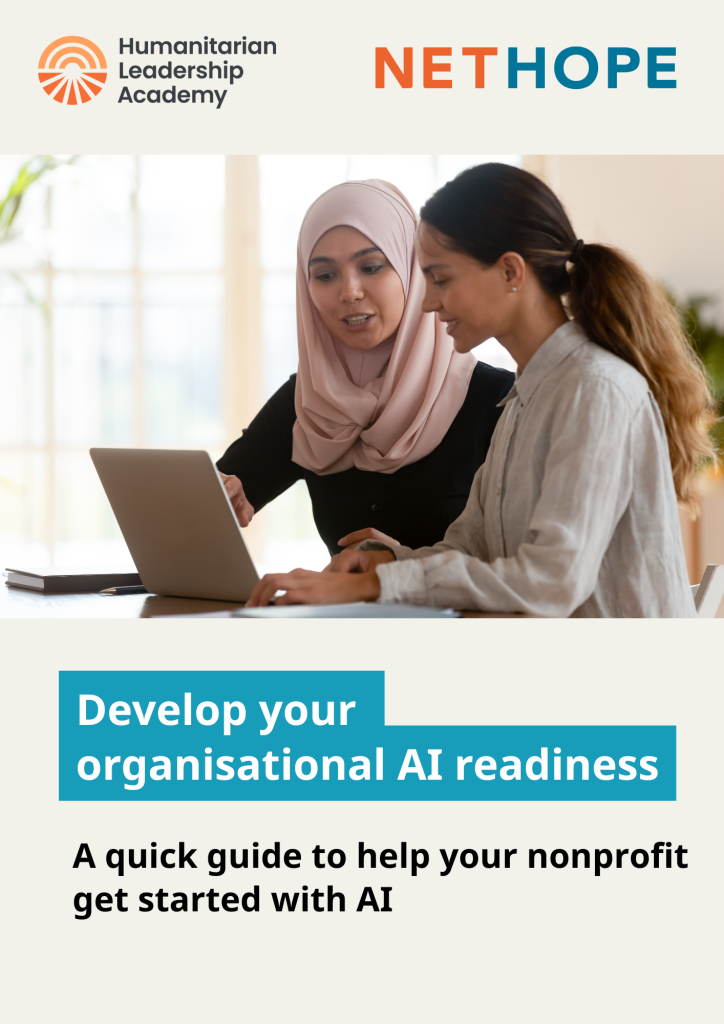
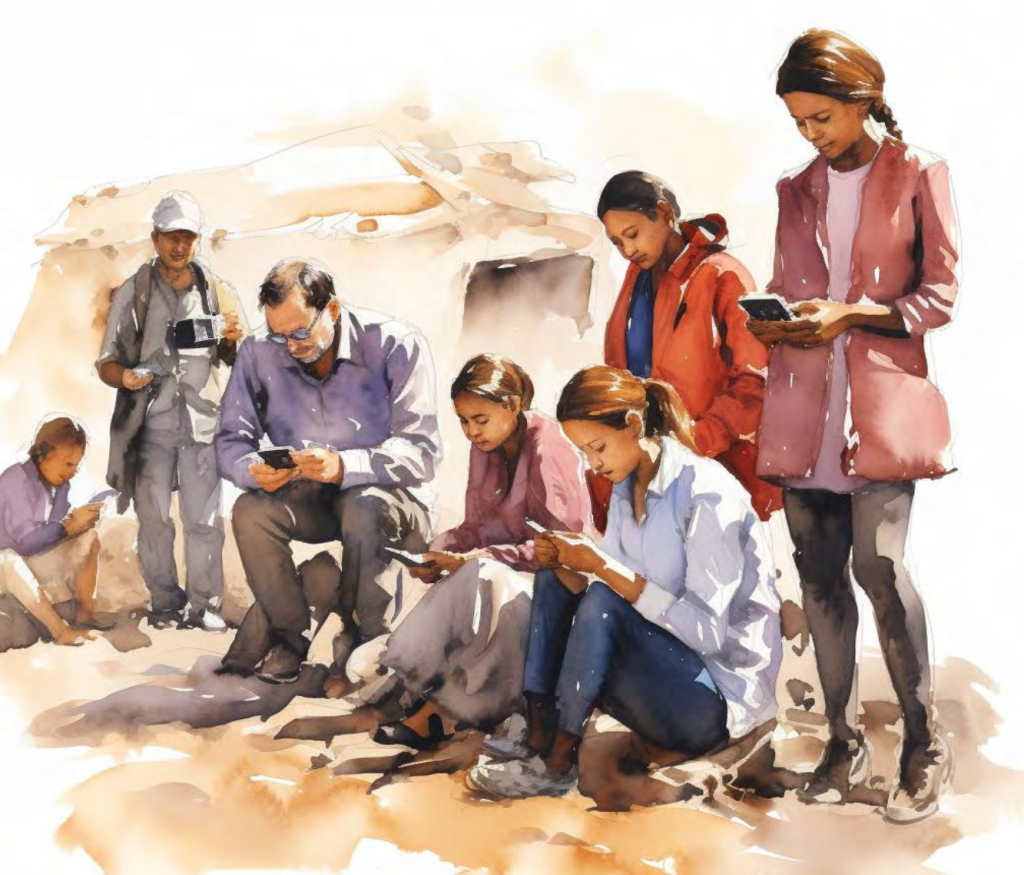
Develop your organisational AI readiness: a quick start guide from the HLA and NetHope
With expert guidance from Daniela Weber, Director of NetHope’s Center for the Digital Nonprofit, and resources from both organisations, this guide offers practical next steps – from establishing ethical guardrails to building capacity and scaling AI initiatives.
This guide is available in English and Spanish – the French language version is coming soon!
We know that open conversations about what worked and what didn’t are the most helpful learning opportunities for humanitarian staff and lift the overall capability of the sector. Share your approaches and use cases with each other, collaborate to create common solutions that will serve all humanitarians.
Daniela Weber, NetHope
Watch the webinar recording
Explore humanitarian AI adoption trends and considerations for responsible development and implementation. Hear from expert practitioners about what’s working, what isn’t, and lessons worth sharing.
Contact
This guide was created in March 2026. If you have any feedback or suggestions on this content, please contact:
Humanitarian Leadership Academy info@humanitarian.academy
NetHope communications@nethope.org
Thank you for visiting the HLA website, we are updating the site to reflect changes in our organisation. Contact us if you have any questions.
Contact us
8 ways to cultivate a culture of learning in humanitarian organisations
In our latest microlearning guide, seasoned humanitarian trainer and leader Janet Nyaoro offers practical guidance for organisations looking to foster a culture of learning.
Whether you are a leader, staff member or volunteer in the humanitarian sector, you can play a role in helping to build and strengthen an organisational culture that supports learning and growth.
Read our microlearning guide for practical steps and actions you or organisations’ leaders can take. Why not put learning on the agenda and use this guide to spark a discussion with your colleagues?
8 ways to cultivate a culture of learning in humanitarian organisations
Thank you for visiting the HLA website, we are updating the site to reflect changes in our organisation. Contact us if you have any questions.
Contact us
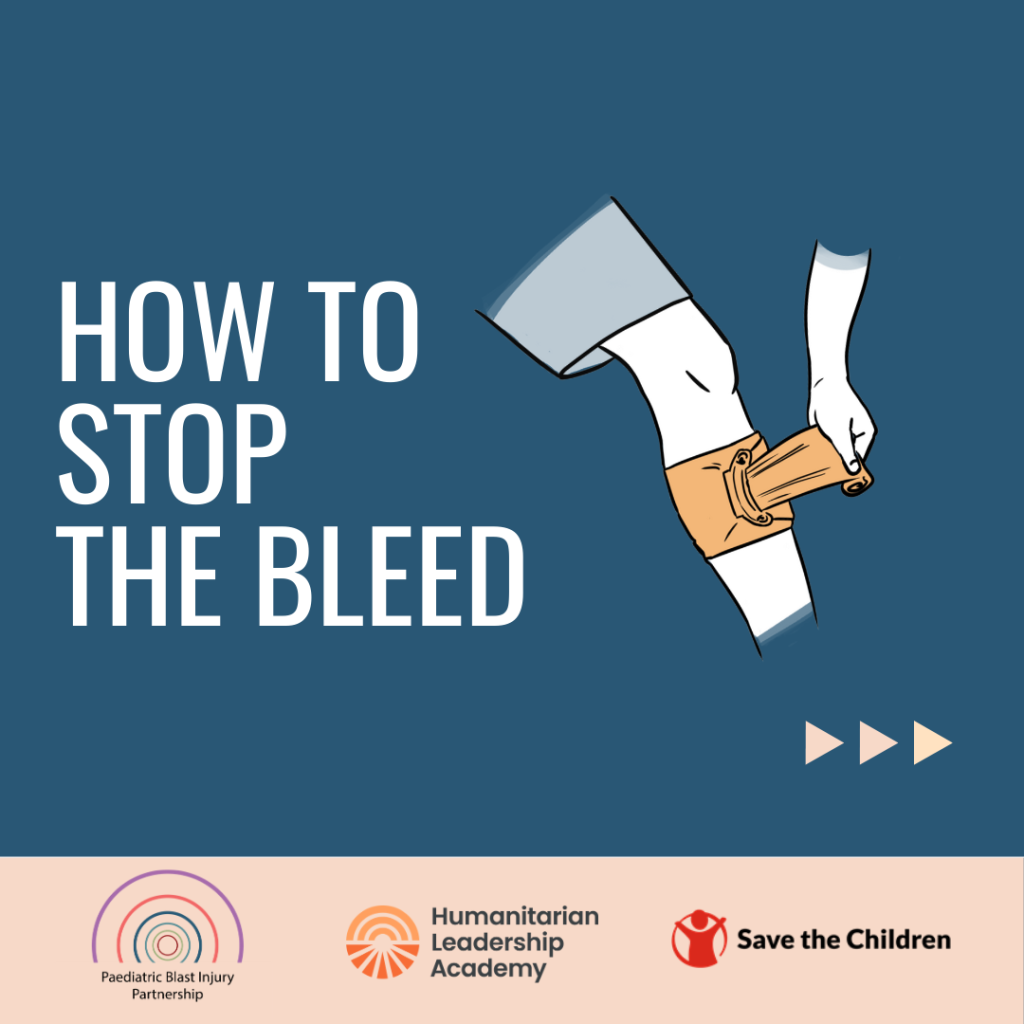
How to Stop the Bleed
Microlearning
A quick guide for humanitarians providing first aid at the scene of a blast. Available in English and Arabic.
As part of the Paediatric Blast Injury project, we developed a microlearning guide on how to control heavy bleeding to support anyone providing first aid at the scene of a blast. Available in both English and Arabic
This new microlearning guide offers easy-to-follow practical information on how you can prevent death by controlling life-threatening bleeding in the immediate aftermath of a blast or other major trauma.
Thank you for visiting the HLA website, we are updating the site to reflect changes in our organisation. Contact us if you have any questions.
Contact us
Thank you for visiting the HLA website, we are updating the site to reflect changes in our organisation. Contact us if you have any questions.
Contact us
Navigating Challenges for Women in the Workplace
Microlearning guide
Empowering women and advocating for gender equality accelerates a future where every member of society can flourish
In support of International Women’s Day 2024, we have created a new microlearning guide on creating inclusive and positive work environments for women.
“Gender equality is the greatest human rights challenge, benefiting everyone.” – United Nations
This guide offers practical tips and guidance for creating and promoting inclusive workplace practices where all women – regardless of age or life stage – can thrive.
Thank you for visiting the HLA website, we are updating the site to reflect changes in our organisation. Contact us if you have any questions.
Contact us
What can you expect from an organisation as a person affected by crisis?
This microlearning guide offers a plain English version of the nine Core Humanitarian Standard (CHS) commitments
When an organisation works with a community to help them respond to a crisis, there are nine general commitments so you know what you can expect.
Emergencies can bring problems for organisations too. So although they will always try to follow the commitments, sometimes they might not be able to. But they should want to learn and improve, so you can help by providing them feedback.
Thank you for visiting the HLA website, we are updating the site to reflect changes in our organisation. Contact us if you have any questions.
Contact us
How to have a mentoring conversation (EN, TR)
A mentor is an expert who provides wisdom and guidance based on their own experience, by advising, counselling, or coaching.
Are you a mentor looking for guidance on how to hold an effective mentoring conversation?
Whether you’re already a mentor or starting out your mentoring journey, our microlearning guide offers expert tips on how to have a mentoring conversation.
Our microlearning guides are available in a simple PDF format making them suitable for quick on-to-go learning and as a handy training resource.
Thank you for visiting the HLA website, we are updating the site to reflect changes in our organisation. Contact us if you have any questions.
Contact us
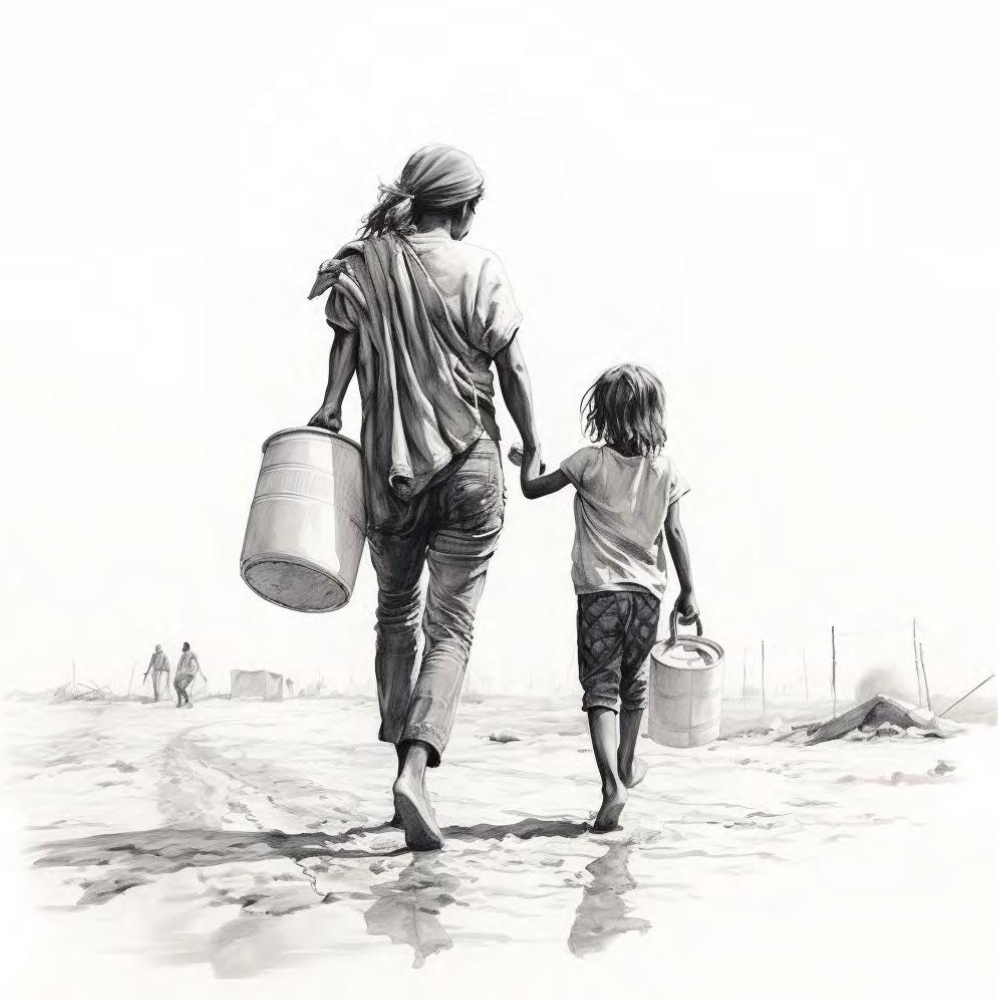
Introduction to WASH in emergencies (EN, FR, TR)
Water, Sanitation and Hygiene (WASH) services are essential for ensuring conditions that allow people to live with dignity, comfort and safety.
WASH (Water, Sanitation and Hygiene) is a key component of public health.
In emergencies, existing WASH services are often stretched beyond their capacity.
The role of WASH in a humanitarian response is to reduce public health risks preventing the spread of infectious disease.
Read our microlearning guide to learn more. The guide is available to download in a handy PDF format in English and in French.
Thank you for visiting the HLA website, we are updating the site to reflect changes in our organisation. Contact us if you have any questions.
Contact us
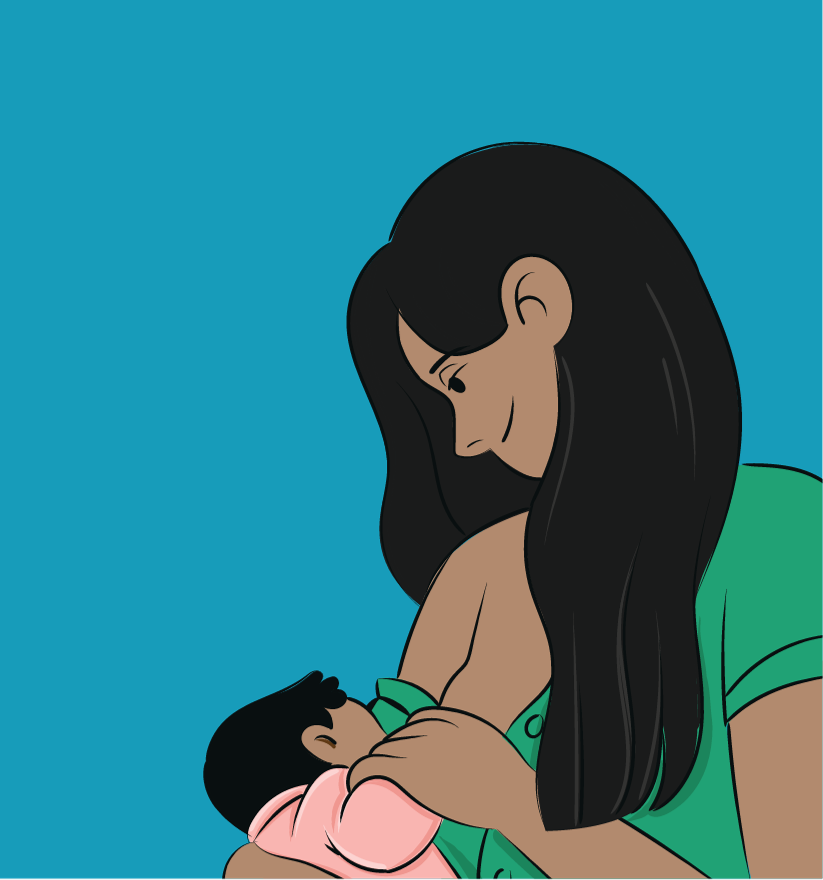
Key advantages of breastfeeding (EN, FR, TR)
Sharing information on the key advantages of breastfeeding can help mothers make informed infant feeding choices. This new microlearning guide is available in English and in French.
WHO and UNICEF recommend commencing breastfeeding within an hour of birth and exclusive breastfeeding for the first 6 months of life.
Alongside safe and adequate complementary feeding, continued breastfeeding is recommended from 6 months until 2 years of age.
Sharing information on the key advantages of breastfeeding can help mothers make informed infant feeding choices – view our microlearning guide to learn more.
This microlearning guide is available in a handy PDF format in English and in French.
You may also be interested in our Infant Feeding microlearning animation – view our YouTube playlist featuring the video in seven languages: English, Arabic, French, Turkish, Polish and Ukrainian.
Thank you for visiting the HLA website, we are updating the site to reflect changes in our organisation. Contact us if you have any questions.
Contact us
A quick guide to microlearning for humanitarians
Microlearning offers specific benefits for humanitarians, who often work in complex and challenging environments that can require continuous learning and adaptation.
Microlearning is an approach to learning that involves delivering content in small, bite-sized chunks, typically lasting no longer than a few minutes.
Microlearning can be a valuable tool for humanitarian organisations to enhance the skills, knowledge, and preparedness of their workers, ultimately improving their effectiveness in responding to crises and delivering aid.
Read our quick guide to find out more about the benefits of microlearning.
Thank you for visiting the HLA website, we are updating the site to reflect changes in our organisation. Contact us if you have any questions.
Contact us
A quick guide to menopause
In support of World Menopause Day – marked annually on 18 October – we’ve created a microlearning guide to help raise awareness and understanding of menopause.
Menopause is a natural biological process that marks the end of a person’s reproductive years, characterised by a gradual decline in the production of hormones leading to the cessation of menstrual periods.
Although menopause is a normal and natural process, it is a topic that is often surrounded by misconceptions.
In support of World Menopause Day, which is marked annually on 18 October, we’ve created a microlearning guide to help raise awareness of the menopause and the support options available for improving health and wellbeing.
Our microlearning guides are available in a simple PDF format making them suitable for quick on-to-go learning and as a handy training resource. Download the guide to learn more about menopause.
Thank you for visiting the HLA website, we are updating the site to reflect changes in our organisation. Contact us if you have any questions.
Contact us
Conflict sensitivity microlearning series
This three-part microlearning guide series has been produced to accompany the Introduction to Conflict Sensitivity online course available on Kaya
This Conflict Sensitivity three-part microlearning guide series has been produced to accompany to the online Introduction to Conflict Sensitivity course. This free online course is available to access on our digital platform Kaya in English, French, Spanish, Arabic, Ukrainian, Polish and Turkish.
Part 1: A quick guide to conflict sensitivity
All aid interventions have an impact on the context and conversely, the context dynamics can positively or negatively affect aid interventions.
We are conflict sensitive when we understand and adapt our interventions to the relevant context, and in that way avoid or minimise negative impacts and maximise positive and sustainable impacts.
View our conflict sensitivity microlearning guide which is available to download as a PDF.
Applying conflict sensitivity principles in humanitarian and development programmes helps reducing the risk of exacerbating existing conflicts or creating new conflicts in all types of contexts, while strengthening the drivers of social cohesion and peace.
Find out more in the second guide in the conflict sensitivity microlearning series.
When our interventions or partnerships contribute to conferring power to illegitimate actors, authorities, or structures, especially in a context of pre-existing tensions, it can result in undermined social cohesion and reduced acceptance of our presence.
Find out more in the third and final guide in the conflict sensitivity microlearning series.
Thank you for visiting the HLA website, we are updating the site to reflect changes in our organisation. Contact us if you have any questions.
Contact us
Introduction to education in emergencies (EN, FR, TR)
What is education in emergencies?
Every child has the right to access good quality education. Yet, this right is denied to hundreds of millions of children aged 3-18 around the world.
For many, it’s due to humanitarian emergencies and protracted crises. Therefore, the only way to achieve this goal, uphold these rights and adhere to humanitarian principles is through the provision of education in emergencies.
Read our microlearning guide to learn more about education in emergencies (EiE).
The guide is available in English and in French in a handy PDF format.
Thank you for visiting the HLA website, we are updating the site to reflect changes in our organisation. Contact us if you have any questions.
Contact us
A quick guide to gender equality in humanitarian settings (EN, FR, TR)
Why does gender equality matter for humanitarians?
It matters at all stages of the programme cycle!
Gender equality refers to an absence of discrimination and the equal enjoyment of rights, opportunities, resources and rewards regardless of gender.
Find out more in this microlearning guide.
This guide is available to download in a handy PDF format in English and French.
Thank you for visiting the HLA website, we are updating the site to reflect changes in our organisation. Contact us if you have any questions.
Contact us
A quick guide to safety and security in humanitarian responses
Learn more about the concepts of safety, security and risk; the threats that humanitarians may face, together with different security strategies to mitigate these.
This microlearning guide is available to download in a handy PDF format in English, French, Arabic and Turkish.
Thank you for visiting the HLA website, we are updating the site to reflect changes in our organisation. Contact us if you have any questions.
Contact us
An introduction to the Sphere Handbook (EN, TR)
People affected by disaster or conflict have the right to receive protection and assistance to ensure the basic conditions for life with dignity are met.
The Sphere Handbook describes what needs to be in place so that crisis-affected people can enjoy this right. These are often called standards.
Thank you for visiting the HLA website, we are updating the site to reflect changes in our organisation. Contact us if you have any questions.
Contact us
Men’s health: what are we talking about?
Learn more about the different areas of men’s health and how they can access support
Thank you for visiting the HLA website, we are updating the site to reflect changes in our organisation. Contact us if you have any questions.
Contact us
A quick guide to organising logistics for the needs assessment (AR, EN, ES, FR, TR)
Important factors you should consider when organising needs assessment.
Thank you for visiting the HLA website, we are updating the site to reflect changes in our organisation. Contact us if you have any questions.
Contact us
A quick guide to accountability to affected populations (EN, TR)
Find out more about why and how we must be accountable to the communities that we work with.
Thank you for visiting the HLA website, we are updating the site to reflect changes in our organisation. Contact us if you have any questions.
Contact us
The Three Pillars of Accountability to Children and Communities (AR, EN, FR, TR)
How accountability is central to improving the quality of humanitarian action.